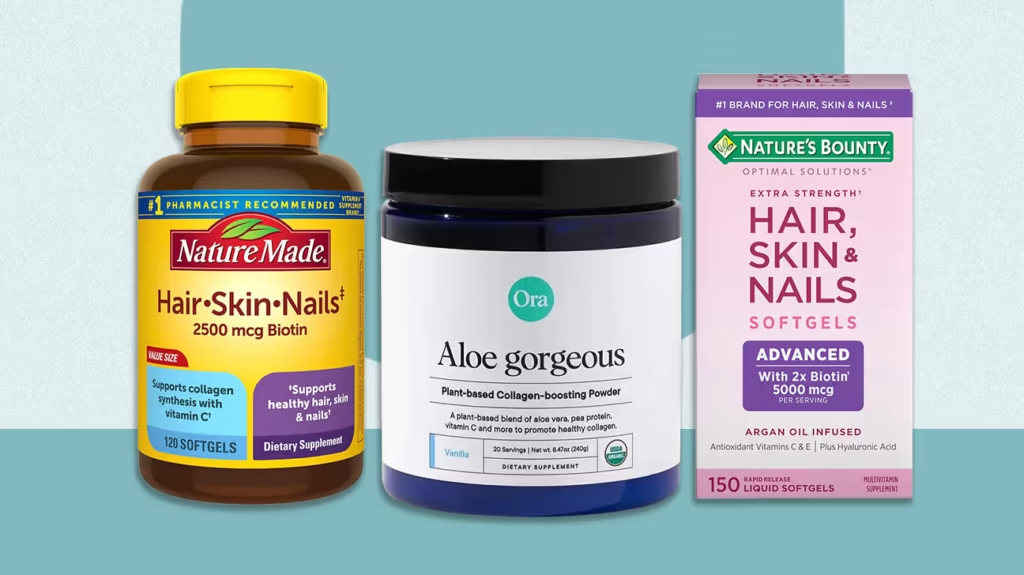
As a man navigating the world in 2025, you might be familiar with the challenge of maintaining healthy, strong hair. Whether it’s thinning, a receding hairline, or just a general lack of luster, hair concerns are common. I’ve been there myself, wondering if there’s a secret potion or a magic pill to keep my mane looking its best. The good news? While there’s no single “magic fix,” a targeted approach involving the right vitamins and supplements can make a significant difference.
In this comprehensive guide, I’ll walk you through the essential nutrients that can boost your hair health from the inside out. We’ll explore everything from well-known heroes like Biotin to crucial minerals and even some lesser-known powerhouses. My goal is to equip you with the knowledge to make informed choices and take proactive steps toward achieving the hair you’ve always wanted. Let’s dive in!
Key Takeaways
- Foundation First: A balanced diet rich in whole foods is the best starting point for healthy hair. Supplements are meant to fill nutritional gaps, not replace good eating habits.
- Essential Nutrients: Biotin, Vitamin D, Zinc, and Iron are among the most critical vitamins and minerals for men’s hair growth and strength.
- Holistic Approach is Key: Beyond supplements, managing stress, getting enough sleep, using gentle hair care products, and regular professional grooming are vital for optimal hair health.
- Consult a Pro: Before starting any new supplement regimen, always talk to your doctor or a dermatologist to ensure it’s safe and appropriate for your specific needs.
- Patience & Consistency: Hair growth is a slow process. Expect to see noticeable results from supplements only after consistent use for several months (3-6 months typically).
Understanding Men’s Hair Health Challenges
Before we talk about solutions, it’s important to understand what often causes hair issues in men. Hair loss and thinning aren’t just cosmetic; they can be linked to genetics, lifestyle, and yes, nutrition.
Common Causes of Hair Loss in Men
The most prevalent cause of hair loss in men is Androgenetic Alopecia, also known as male pattern baldness. This is largely genetic and linked to a hormone called dihydrotestosterone (DHT). However, genetics isn’t the only culprit. Other factors include:
- Stress: High stress levels can push hair follicles into a resting phase, leading to shedding.
- Nutritional Deficiencies: Lack of essential vitamins and minerals can weaken hair and hinder growth.
- Medical Conditions: Thyroid problems, autoimmune diseases, and certain medications can impact hair.
- Poor Hair Care: Harsh chemicals, excessive heat styling, or tight hairstyles can damage hair and follicles.
- Aging: As we age, hair naturally becomes thinner and grows more slowly.
If you’re looking for more in-depth strategies to tackle hair loss, I highly recommend checking out some effective ways to say goodbye to hair loss and prevent balding effectively. It’s a great resource for understanding preventative measures.
The Role of Nutrition
Our hair follicles are tiny powerhouses, constantly working to produce new hair strands. Like any other part of our body, they need a steady supply of nutrients to function optimally. Imagine your hair as a plant: if the soil lacks vital nutrients, the plant won’t grow strong and vibrant. The same goes for your hair. A deficiency in even one key vitamin or mineral can disrupt the hair growth cycle, leading to weaker, thinner hair, or even increased shedding.
“Your hair is a reflection of your overall health. Feed it well, and it will thrive.”
Essential Vitamins for Men’s Hair Health
Let’s dive into the specific vitamins that play a crucial role in maintaining and improving men’s hair health.
Biotin (Vitamin B7)
Biotin is often hailed as the “hair growth vitamin,” and for good reason! It’s a B-vitamin that helps the body convert food into energy, and it’s essential for the health of your skin, nails, and hair. Biotin assists in the production of keratin, the primary protein that makes up your hair strands.
- Why it’s important: Supports keratin structure, strengthens hair, and can improve hair thickness.
- Sources: Eggs, nuts, seeds, sweet potatoes, avocados, salmon.
- Supplementation: Commonly found in hair, skin, and nail supplements. Doses vary, but 2.5-5 mg daily is often recommended for hair health.
Vitamin D
Often associated with bone health and immunity, Vitamin D also plays a significant role in hair follicle cycling. Research suggests that Vitamin D receptors are present in hair follicles, and a deficiency can be linked to various forms of hair loss, including male pattern baldness.
- Why it’s important: Stimulates hair follicles, helping to kickstart new hair growth and maintain the anagen (growth) phase.
- Sources: Sunlight, fatty fish (salmon, mackerel), fortified milk, and cereals.
- Supplementation: Many men are deficient in Vitamin D, especially in less sunny climates. A doctor can test your levels and recommend an appropriate dosage, typically ranging from 1000-5000 IU daily.
Vitamin E
This powerful antioxidant helps protect hair cells from damage caused by free radicals, which are unstable molecules that can harm cells and contribute to aging. So, Vitamin E can also improve circulation to the scalp, ensuring follicles receive adequate nutrients.
- Why it’s important: Antioxidant protection, improved scalp circulation, and can help prevent hair breakage.
- Sources: Nuts (almonds, peanuts), seeds (sunflower), spinach, broccoli, olive oil.
- Supplementation: Usually found in multivitamin formulas. Topical application (oils) can also be beneficial.
Vitamin C
Vitamin C is not just for fighting colds! It’s vital for the production of collagen, a structural protein that is a key component of hair. It also helps your body absorb iron, another crucial mineral for hair growth. As an antioxidant, it protects hair follicles from damage.
- Why it’s important: Collagen synthesis, iron absorption, antioxidant protection.
- Sources: Citrus fruits, bell peppers, strawberries, broccoli, and kale.
- Supplementation: Found in many multivitamins.
Vitamin A
Vitamin A is essential for cell growth, including hair cells. It also helps the scalp produce sebum, an oily substance that keeps hair moisturized and healthy. However, too much Vitamin A can actually lead to hair loss, so balance is key.
- Why it’s important: Cell growth, sebum production for scalp moisture.
- Sources: Carrots, sweet potatoes, spinach, kale, eggs, milk.
- Supplementation: Be cautious with high-dose Vitamin A supplements. It’s usually best obtained through diet or a balanced multivitamin.
Other B Vitamins (B3, B5, B12)
While Biotin gets most of the spotlight, other B vitamins also contribute to hair health:
- Niacin (B3): Improves blood circulation to the scalp, delivering more nutrients to hair follicles.
- Pantothenic Acid (B5): Strengthens hair follicles and helps prevent hair loss.
- Cobalamin (B12): Essential for red blood cell formation, which carries oxygen to hair follicles.
- Sources: Whole grains, meat, fish, eggs, dairy, leafy greens.
- Supplementation: Often included in B-complex supplements.
Crucial Minerals and Other Nutrients
Beyond vitamins, several minerals and other compounds are indispensable for robust hair growth.
Zinc
Zinc is a powerhouse mineral involved in various bodily functions, including cell reproduction, hormone balance, and protein synthesis – all crucial for hair growth. So, Zinc deficiency can lead to hair loss and even slow wound healing.
- Why it’s important: Regulates hormone levels, supports cell division, and helps maintain healthy hair follicles.
- Sources: Oysters, red meat, poultry, beans, nuts, whole grains.
- Supplementation: If deficient, 15-30 mg daily is a common supplementary dose. Too much zinc can interfere with copper absorption, so stick to recommended doses.
Iron
Iron is essential for red blood cell production, which carries oxygen to your cells, including those in your hair follicles. The Iron deficiency (anemia) is a common cause of hair loss, especially in men with certain dietary restrictions or underlying conditions.
- Why it’s important: Oxygen transport to hair follicles, vital for energy and growth.
- Sources: Red meat, spinach, lentils, beans, fortified cereals.
- Supplementation: If you suspect an iron deficiency, get your levels tested by a doctor before supplementing, as too much iron can be harmful.
Selenium
Selenium is another trace mineral with antioxidant properties, helping to protect hair follicles from oxidative damage. It’s also involved in thyroid function, and a healthy thyroid is crucial for hair growth.
- Why it’s important: Antioxidant, supports thyroid health.
- Sources: Brazil nuts (be careful, one or two is enough!), seafood, poultry, eggs.
- Supplementation: Small amounts are usually sufficient; high doses can be toxic. Most multivitamins contain adequate selenium.
Omega-3 Fatty Acids
These healthy fats are renowned for their anti-inflammatory properties, which can benefit scalp health. A healthy, calm scalp is the ideal environment for hair growth. Omega-3s can also add shine and strength to hair strands.
- Why it’s important: Reduces scalp inflammation, supports hair strength and shine.
- Sources: Fatty fish (salmon, mackerel, sardines), flaxseeds, chia seeds, walnuts.
- Supplementation: Fish oil or algal oil supplements are popular choices.
Collagen
As mentioned with Vitamin C, collagen is a fundamental protein in our bodies, including our hair, skin, and nails. Supplementing with collagen can provide the amino acid building blocks necessary for healthy hair growth and strength.
- Why it’s important: Provides amino acids for keratin production, strengthens hair structure.
- Sources: Bone broth, gelatin, certain cuts of meat.
- Supplementation: Collagen peptides are a popular supplement form, easily mixed into drinks.
Saw Palmetto (Herbal Supplement)
Saw Palmetto is a herbal extract often used to address male pattern baldness. It’s believed to work by inhibiting the enzyme 5-alpha-reductase, which converts testosterone into DHT, the hormone linked to hair loss.
- Why it’s important: May help block DHT, reducing its impact on hair follicles.
- Sources: Primarily available as a supplement.
- Supplementation: Typically taken in capsule form. As with any herbal remedy, consult a doctor, especially if you’re on other medications.
Choosing the Right Supplements: What to Look For
Navigating the supplement aisle can be overwhelming. Here’s what I consider when choosing supplements for hair health:
Quality and Purity
Not all supplements are created equal. Look for brands that:
- They are third-party tested (e.g., by NSF International, USP, ConsumerLab) to ensure purity and potency.
- Have good manufacturing practices (GMP) certifications.
- They are transparent about their ingredients and sourcing.
- Avoid unnecessary fillers, artificial colors, or sweeteners.
“Always prioritize quality over price when selecting supplements for your hair health. Your body deserves the best.”
Dosage
Always follow the recommended dosage on the product label or, even better, the advice of a healthcare professional. More isn’t always better, and excessive intake of certain vitamins and minerals can be harmful. For instance, too much Vitamin A or Selenium can actually cause hair loss!
Consulting a Professional
This is perhaps the most crucial step. Before you start any new supplement regimen, especially if you have underlying health conditions or are taking other medications, talk to your doctor, a dermatologist, or a registered dietitian. They can:
- Identify deficiencies: Blood tests can reveal specific nutrient deficiencies.
- Advise on interactions: Ensure supplements won’t negatively interact with your current medications.
- Recommend appropriate doses: Tailor recommendations to your individual needs.
Beyond Supplements: A Holistic Approach to Hair Health
While supplements can be a powerful tool, they are just one piece of the puzzle. For truly healthy hair in 2025, a holistic approach is essential.
Diet and Lifestyle
- Balanced Diet: Focus on whole, unprocessed foods. Include plenty of lean proteins, fruits, vegetables, and healthy fats. Think of vibrant colors on your plate!
- Hydration: Drink plenty of water throughout the day. Dehydration can affect overall health, including hair.
- Stress Management: Practice mindfulness, meditation, yoga, or whatever helps you relax. Chronic stress is a major contributor to hair issues.
- Quality Sleep: Aim for 7-9 hours of quality sleep each night. Sleep is when your body repairs and regenerates.
- Regular Exercise: Improves blood circulation, which means more nutrients reach your scalp.
Hair Care Practices
- Gentle Products: Use shampoos and conditioners free of harsh sulfates and parabens.
- Avoid Excessive Heat: Limit the use of blow dryers, straighteners, and curling irons. If you must use them, apply a heat protectant.
- Proper Washing: Don’t over-wash or under-wash. Find a routine that suits your hair type. For issues like a flaky scalp, understanding dandruff symptoms, causes, and treatments can be very helpful.
- Gentle Styling: Avoid tight hairstyles that pull on your hair follicles.
Professional Barber Care
Never underestimate the power of a professional barber! Regular trims keep your hair healthy by removing split ends and promoting growth. A good barber can also offer personalized advice on products and styling techniques that suit your hair type and concerns. They can even provide scalp treatments that boost circulation and follicle health.
I’ve personally found that visiting a barbershop is more than just a haircut; it’s an experience that contributes to overall well-being and confidence. A great barber understands men’s hair, and that’s why every man needs a great barber to unlock the power of the perfect cut. For more tips on maintaining a healthy scalp and luscious locks, check out these hair loss solutions and 8 tips for healthier, fuller hair.
My Personal Experience and Recommendations
Over the years, I’ve experimented with various supplements and routines. What I’ve learned is that consistency is paramount. Don’t expect overnight miracles. Hair growth is a slow process, and it takes time for your body to build up nutrient levels and for new hair to grow. I started noticing improvements in texture and reduced shedding after about 3-4 months of consistent supplementation, combined with a healthier diet and better stress management.
My personal routine for 2025 includes:
- A high-quality multivitamin that covers many of the bases we discussed.
- An additional Biotin supplement (2.5 mg daily).
- A Vitamin D supplement, especially during winter months, after getting my levels checked.
- Making sure my meals are rich in protein, healthy fats, and plenty of fruits and vegetables.
- Regular visits to my barber for trims and scalp checks.
Remember, what works for me might not be exactly what works for you. Your body is unique, and that’s why professional advice is so valuable.
Conclusion
Achieving and maintaining healthy, strong hair in 2025 is an achievable goal for every man. It’s about understanding the foundational role of nutrition, identifying potential deficiencies, and strategically incorporating the right vitamins and supplements. But remember, supplements are a support system, not a standalone solution. They work best when combined with a balanced diet, a healthy lifestyle, and mindful hair care practices.
By taking a holistic approach, prioritizing your overall well-being, and being patient with the process, you’ll be well on your way to enjoying a head of healthier, fuller hair. And for that perfect finishing touch, expert advice, and a grooming experience that elevates your confidence, don’t underestimate the power of a professional barbershop. If you’re looking for a top-notch experience, consider the benefits of a men’s salon like The Barber’s Cafe. Whether you’re in search of the best barber in Karachi or simply want to explore the best salon in Gulistan-e-Johar for a fresh look, or even preparing for a special occasion at the best salon for the groom, they offer more than just a cut; they offer a complete grooming solution tailored to you.