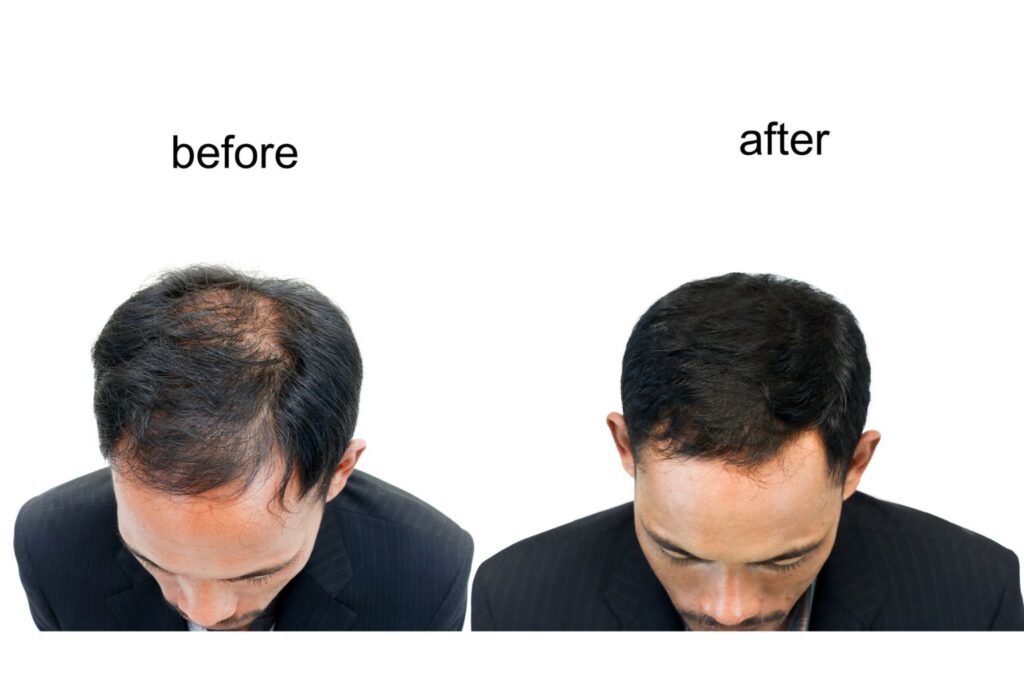
Hair loss can be a truly frustrating experience, affecting confidence and self-image for many. If you’re like me, you’ve probably spent countless hours searching for effective solutions, sifting through everything from miracle shampoos to complex medical procedures. In the quest for a fuller head of hair, one treatment has been steadily gaining attention: microneedling. But does this technique, which involves tiny needles, really live up to the hype for hair regrowth? As we move through 2025, let’s dive deep into the science and practicalities to understand if microneedling could be the answer you’ve been looking for.
Key Takeaways
- Microneedling involves using a device with tiny needles to create micro-injuries on the scalp, stimulating the body’s natural healing process.
- It works by increasing blood flow, releasing growth factors, boosting collagen production, and improving the absorption of topical hair growth treatments like Minoxidil.
- Scientific studies, including those reviewed up to 2025, suggest that microneedling can be effective for hair regrowth, especially when combined with other therapies.
- Results aren’t instant; it typically requires several sessions over months to see noticeable improvement, and consistency is key.
- While generally safe, it’s crucial to understand proper technique, hygiene, and potential side effects, with professional guidance often recommended.
What Exactly is Microneedling?
First things first, let’s demystify microneedling. You might have heard of it for skin rejuvenation on the face, but its application for hair regrowth is quite similar. At its core, microneedling is a cosmetic procedure that uses a device, often a roller (dermaroller) or a pen (dermapen) equipped with many tiny, fine needles. These needles are used to create microscopic punctures in the skin’s surface. Think of it like creating very small, controlled “injuries” on your scalp.
Now, before you get too worried, these punctures are incredibly small and usually don’t cause significant pain, especially when done correctly. The magic isn’t in the injury itself, but in what happens after those tiny punctures are made. Our bodies are amazing at healing, and this process is what microneedling cleverly taps into.
Key Components of Microneedling:
- Dermaroller: A handheld device with a wheel covered in needles. You roll it over the scalp.
- Dermapen: An electric device that uses a motor to rapidly move needles up and down, offering more precision and often less dragging sensation.
- Needle Depth: This is crucial! Needles can range from 0.25mm (superficial) to 1.5mm or even 2.0mm (deeper). The appropriate depth depends on the specific condition being treated and whether it’s for at-home or professional use.
The goal? To kickstart your body’s natural repair mechanisms, which, when applied to the scalp, can lead to some exciting benefits for your hair follicles.
How Does Microneedling Work for Hair Regrowth?
This is where it gets interesting! The microscopic punctures created by microneedling trigger a cascade of events in your scalp that are highly beneficial for hair growth. Let me break down the main mechanisms:
- Stimulating Growth Factors: When your skin is “injured,” even slightly, your body rushes to repair it. This repair process involves releasing various growth factors, special proteins that signal cells to grow and divide. On the scalp, these growth factors can revitalize dormant hair follicles and encourage them to enter the active growth phase (anagen).
- Increasing Blood Circulation: The micro-injuries also promote increased blood flow to the treated areas. Good blood circulation is vital for healthy hair because it delivers essential nutrients and oxygen directly to the hair follicles, which are like tiny factories producing hair strands. More blood means more fuel for hair growth!
- Boosting Collagen Production: Microneedling is well-known for stimulating collagen and elastin production in the skin. While often discussed in anti-aging contexts, collagen plays a role in the health of the dermal papilla, a critical structure at the base of the hair follicle that regulates hair growth. A healthy collagen environment can support stronger, healthier hair.
- Enhancing Product Absorption: Perhaps one of the most significant benefits, especially when combining treatments, is the improved absorption of topical hair growth solutions. The tiny channels created by the needles act like superhighways, allowing active ingredients from products like Minoxidil or Platelet-Rich Plasma (PRP) to penetrate deeper into the scalp where they can be most effective. Without these channels, many topical treatments struggle to reach the follicles efficiently.
“Microneedling doesn’t just create micro-injuries; it creates micro-opportunities for your scalp to heal, rejuvenate, and absorb vital nutrients for hair growth.”
The Science Behind the Buzz: Does It Really Work?
Okay, so the theory sounds promising, but what does the research say? Does microneedling for hair regrowth actually work? The good news is that numerous studies and clinical trials, including those conducted and reviewed up to 2025, have shown positive results, especially when microneedling is used in conjunction with other proven hair loss treatments.
One of the most frequently cited studies involved comparing microneedling combined with Minoxidil to Minoxidil alone. The results were compelling: the group that received both treatments showed significantly better hair regrowth than the group using only Minoxidil. Participants reported increased hair count, thickness, and overall satisfaction.
Key Findings from Research:
- Androgenetic Alopecia (Male/Female Pattern Baldness): Microneedling has shown particular promise for this common type of hair loss. By stimulating growth factors and improving Minoxidil absorption, it can help reverse the miniaturization of hair follicles characteristic of this condition.
- Alopecia Areata: Some studies have also explored its effectiveness for alopecia areata, an autoimmune condition causing patchy hair loss, with encouraging outcomes in certain cases.
- Increased Hair Count and Thickness: Across various studies, objective measurements often show an increase in terminal (thick, pigmented) hair count and hair shaft diameter.
It’s important to set realistic expectations. Microneedling is not a magic bullet, and results aren’t typically overnight. Most studies show that consistent treatment over several months (e.g., weekly or bi-weekly sessions for 12-24 weeks) is necessary to see noticeable improvements. The effectiveness can also vary from person to person, depending on the severity and type of hair loss, and individual response.
What to Expect: The Microneedling Process
If you’re considering microneedling, it’s good to know what the experience entails. Whether you opt for a professional treatment or decide to try it at home, understanding the process is key.
Professional Microneedling (Dermatologist/Hair Clinic)
- Consultation: A professional will assess your hair loss, scalp condition, and medical history to determine if you’re a good candidate.
- Preparation: Your scalp will be thoroughly cleaned. A numbing cream might be applied to minimize discomfort, especially for deeper needle depths.
- The Procedure: Using a sterile dermapen or dermaroller, the professional will systematically treat your scalp. This ensures even coverage and appropriate pressure/depth. They might apply a growth serum or PRP immediately after the microneedling.
- Aftercare: You’ll receive specific instructions, which usually include keeping your scalp clean, avoiding harsh products, and protecting it from sun exposure. Redness and mild swelling are common for a day or two.
At-Home Microneedling
- Device Selection: If doing it at home, you’ll likely use a dermaroller with shorter needles (e.g., 0.25mm to 0.75mm). It’s crucial to research and choose a high-quality, sterile device.
- Hygiene is Paramount: Always sterilize your dermaroller before and after each use with rubbing alcohol. Clean your scalp thoroughly.
- Technique: Gently roll the device over the thinning areas of your scalp in multiple directions (vertical, horizontal, diagonal) without applying excessive pressure. Don’t press too hard!
- Frequency: Typically, 0.25mm rollers can be used every other day or a few times a week, while 0.5mm to 0.75mm rollers should be used once a week or every two weeks to allow for adequate healing.
- Product Application: Apply your chosen topical treatment (like Minoxidil) immediately after microneedling, as absorption will be enhanced.
- Caution: At-home microneedling carries a higher risk if not done correctly. Over-treatment, improper hygiene, or using too long needles can lead to irritation, infection, or even worsen hair loss. When in doubt, consult a professional.
| Needle Length | Recommended Frequency | Purpose |
| 0.25mm | Every other day | Enhanced product absorption |
| 0.5mm | 1-2 times per week | Mild stimulation, product absorption |
| 0.75mm | Once a week | Moderate stimulation, collagen induction |
| 1.0mm | Once every 1-2 weeks | Significant stimulation (often professional) |
| 1.5mm+ | Once every 2-3 weeks | Deeper stimulation (professional use only) |
Combining Microneedling with Other Treatments
As I mentioned, microneedling often shines brightest when it’s part of a comprehensive treatment plan. Here are a couple of popular combinations:
Microneedling + Minoxidil
This is the most common and well-researched combination. Minoxidil, an FDA-approved topical treatment, works by widening blood vessels and extending the growth phase of hair follicles. When you combine it with microneedling, the micro-channels created by the needles allow Minoxidil to penetrate much deeper into the scalp, reaching the hair follicles more effectively. This synergy often leads to superior results compared to using either treatment alone. Just be sure to apply Minoxidil after microneedling, not before, to maximize absorption.
Microneedling + Platelet-Rich Plasma (PRP)
PRP therapy involves drawing a small amount of your blood, processing it to concentrate the platelets (which are rich in growth factors), and then injecting or applying this concentrated plasma to your scalp. When microneedling is performed immediately before or during PRP application, it creates pathways for the PRP’s growth factors to reach the hair follicles more efficiently, potentially amplifying the regenerative effects. This combination is often considered a more advanced and powerful option, usually performed by professionals.
Potential Side Effects and Risks
While microneedling is generally considered safe, especially when performed by a professional or with proper at-home care, there are potential side effects and risks to be aware of:
- Redness and Swelling: This is the most common side effect, similar to a mild sunburn. It usually subsides within 24-48 hours.
- Mild Pain or Discomfort: You might feel a tingling or scratching sensation during the procedure. Numbing creams can help.
- Dryness and Flaking: The scalp might feel dry or start to flake a few days after treatment as it heals.
- Itching: Some people experience mild itching during the healing process.
- Bruising: Rare, but possible, especially with deeper needle depths or if blood thinners are used.
- Infection: This is a more serious risk, primarily if sterile techniques are not followed. Always use a clean, sterilized device and keep your scalp clean before and after treatment.
- Hyperpigmentation: Very rare, but possible in individuals with darker skin tones, especially if too much pressure is applied or if sun exposure is not avoided post-treatment.
- Worsening Hair Loss: If done incorrectly, too aggressively, or with unsterile equipment, it can potentially damage follicles or cause irritation, leading to more hair shedding.
To minimize risks:
- Always use sterile equipment.
- Do not share your microneedling device.
- Follow aftercare instructions diligently.
- Avoid microneedling over open wounds, active infections, or certain skin conditions.
- Consult a professional if you have any concerns or pre-existing scalp conditions.
Is Microneedling for You?
So, after all this information, you might be wondering: is microneedling the right solution for my hair loss? Here’s who might benefit most:
- Individuals with Androgenetic Alopecia: This is where microneedling shows the most promise, especially in early to moderate stages of hair thinning.
- Those Looking to Boost Other Treatments: If you’re already using Minoxidil or considering PRP, microneedling can significantly enhance their effectiveness.
- People with Realistic Expectations: It’s not an overnight fix. Patience and consistency are crucial.
- Individuals Committed to Hygiene: Proper sterilization and aftercare are non-negotiable to prevent complications.
Who might need to be cautious or avoid it?
- People with Active Scalp Infections or Conditions: Psoriasis, eczema, or active acne on the scalp should be resolved first.
- Those with Bleeding Disorders or on Blood Thinners: Increased risk of bruising or bleeding.
- Individuals with Keloidal Tendencies: Prone to raised scars.
- Pregnant or Breastfeeding Women: Always consult a doctor.
Before starting any new hair regrowth treatment, especially one involving needles, I strongly recommend consulting with a dermatologist or a hair loss specialist. They can accurately diagnose your type of hair loss and recommend the safest and most effective course of action for you in 2025.
Maintaining Your Hair Health Beyond Microneedling
While microneedling can be a powerful tool, remember that overall hair health is a continuous journey. It’s about nurturing your scalp and hair from all angles. Beyond microneedling, consider these vital practices:
- Balanced Diet: Ensure you’re getting enough vitamins and minerals essential for hair growth, like biotin, zinc, iron, and vitamins A, C, D, and E.
- Stress Management: High stress levels can contribute to hair shedding. Find healthy ways to manage stress, whether it’s through exercise, meditation, or hobbies.
- Gentle Hair Care: Avoid harsh chemicals, excessive heat styling, and tight hairstyles that can pull on your hair. For more insights into keeping your hair healthy, check out our article on 8 tips for healthier, fuller hair.
- Address Scalp Issues: A healthy scalp is the foundation for healthy hair. Issues like dandruff can impede growth. Learn more about dandruff management and how to keep your scalp in top condition.
- Preventive Measures: Taking steps to prevent further hair loss is just as important as encouraging regrowth. Discover effective strategies to prevent balding effectively and maintain your hair’s density.
My Personal Thoughts on Microneedling for Hair Regrowth
From my perspective, microneedling for hair regrowth is a genuinely exciting development in the world of hair restoration. The scientific evidence, particularly when combined with other established treatments like Minoxidil, is compelling. It offers a relatively non-invasive option with a good safety profile, provided it’s done correctly and with appropriate hygiene.
However, I cannot stress enough the importance of realistic expectations and consistency. This isn’t a quick fix, and results will vary. It requires commitment and patience. For many, it could be a game-changer, helping to unlock new growth and improve the density of existing hair. As we continue through 2025, I anticipate even more research refining its application and understanding its full potential.
Conclusion
So, does microneedling for hair regrowth work? Based on current scientific understanding and clinical experience, the answer is a resounding yes, especially when used in combination with other proven treatments. It leverages your body’s natural healing capabilities to stimulate hair follicles, increase blood flow, and significantly enhance the absorption of topical hair growth products.
If you’re struggling with hair loss and looking for effective solutions, microneedling is definitely a treatment worth exploring with a professional. Remember, achieving your best hair isn’t just about one treatment; it’s about a holistic approach to hair care and grooming. For expert advice, personalized styling, and a welcoming environment where you can discuss all your hair and grooming needs, I highly recommend visiting The Barber’s Cafe. Our skilled professionals can offer guidance on maintaining a healthy scalp and achieving your desired look, ensuring you always experience more than just a haircut. Discover the benefits of a men’s salon and unlock the power of the perfect cut with us.