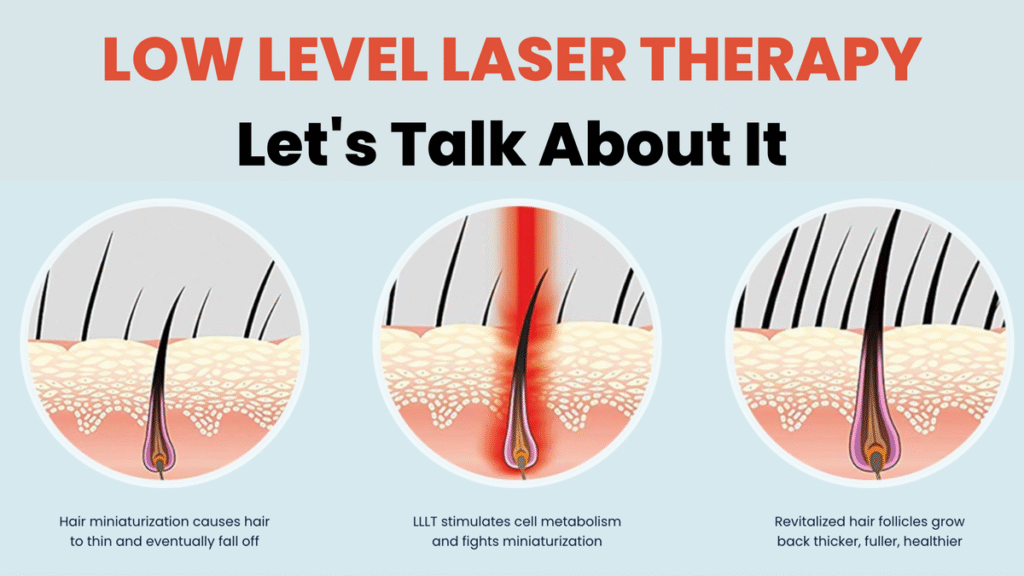
Losing your hair can be a truly frustrating experience. One day, you’re styling a full head of hair, and the next, you’re noticing more strands in your brush or on your pillow. It’s a common concern that affects millions, and in our quest for solutions, we often encounter a wide array of treatments – some promising, some questionable. Among these, Low-Level Laser Therapy (LLLT) has gained significant attention. But with so many claims out there, it’s natural to wonder: is LLLT for hair loss a genuine scientific breakthrough or just another fleeting trend?
As someone deeply interested in hair health and effective grooming solutions, I’ve spent time looking into what truly works. In this comprehensive guide for 2025, we’re going to dive deep into LLLT, separating fact from fiction. We’ll explore how it works, what the science says, who it’s best for, and what you can realistically expect. Let’s find out if this light-based therapy can genuinely help you reclaim a fuller head of hair!
Key Takeaways
- LLLT is Science, Not Myth: Low-Level Laser Therapy uses specific light wavelengths to stimulate hair follicles, promoting growth and reducing hair thinning. It’s backed by scientific research and FDA clearance for certain types of hair loss.
- How It Works: The therapy delivers light energy to scalp cells, boosting their energy production and improving blood flow. This helps dormant follicles wake up and encourages existing hair to grow thicker and stronger.
- Best for Early to Moderate Hair Loss: LLLT is most effective for individuals with androgenetic alopecia (pattern baldness) who are experiencing mild to moderate hair thinning, rather than complete baldness.
- Consistency is Crucial: For LLLT to work, consistent and regular treatment is essential. Results aren’t instant; typically, it takes several months to see noticeable improvements.
- A Complementary Solution: LLLT can be a powerful tool when used alone, but it often works even better when combined with other hair loss treatments like topical solutions or oral medications, under professional guidance.
What Exactly is Low-Level Laser Therapy (LLLT)?
Let’s start with the basics. Low-Level Laser Therapy, often called LLLT or sometimes “cold laser therapy,” is a non-invasive treatment that uses specific wavelengths of light to stimulate cellular activity. Unlike surgical lasers that cut or burn tissue, LLLT uses low-power lasers or LED lights that don’t produce heat. Think of it more like a gentle energy boost for your cells.
This technology isn’t just for hair! It’s been used in various medical fields for years to help with pain relief, wound healing, and reducing inflammation. But our focus today is on its exciting potential for hair regrowth and strengthening.
“LLLT uses light energy to ‘wake up’ and energize your hair follicles, encouraging them to grow stronger and healthier hair.”
How Does LLLT Work? The Science Behind the Shine
This is where it gets really interesting! The core principle behind LLLT for hair loss is called photobiomodulation. Sounds complex, right? But it’s actually quite simple to understand.
Here’s a breakdown of how it works:
- Light Penetration: When the low-level laser or LED light hits your scalp, the light photons are absorbed by the cells in your hair follicles.
- Cellular Energy Boost: Inside these cells, there are tiny powerhouses called mitochondria. The absorbed light stimulates these mitochondria, leading to increased production of adenosine triphosphate (ATP). ATP is like the fuel that powers all your body’s cells, including those responsible for hair growth.
- Improved Blood Flow: The therapy also helps to improve blood circulation to the scalp. Better blood flow means more oxygen and nutrients reach your hair follicles, which are vital for healthy hair growth.
- Reduced Inflammation: LLLT can help reduce inflammation in the scalp, which is often a contributing factor to hair loss. A healthier scalp environment is crucial for hair to thrive.
- Stimulating Hair Growth Cycle: Our hair grows in cycles: growth (anagen), resting (telogen), and shedding (catagen). LLLT is believed to prolong the anagen (growth) phase and stimulate dormant hair follicles to re-enter the growth phase. It can also reverse the miniaturization process, where hair follicles shrink and produce thinner, weaker hair.
In essence, LLLT provides a gentle, non-damaging light energy that encourages your hair follicles to become more active and productive. It’s like giving your hair roots a much-needed energy drink!
The Evidence: Is LLLT Scientifically Proven?
This is the big question, isn’t it? Is LLLT just hype, or is there real science to back it up? I’m happy to tell you that in 2025, there’s a growing body of scientific evidence supporting the effectiveness of LLLT for certain types of hair loss.
Here’s what we know:
FDA Clearance: Several LLLT devices, including helmets, caps, and combs, have received FDA clearance for treating androgenetic alopecia (pattern baldness) in both men and women. FDA clearance means that the devices have been reviewed and found to be safe and effective for their intended use. This is a significant indicator of their legitimacy.
Clinical Studies: Numerous clinical studies have shown positive results. Participants using LLLT devices consistently reported:
- An increase in hair count.
- Improved hair thickness and density.
- Reduced hair shedding.
- Overall improvement in hair quality.
Mechanism of Action: The photobiomodulation mechanism is well-understood and supported by research, explaining how the light interacts with cells to produce therapeutic effects.
It’s important to note that while LLLT is effective, it’s not a magic bullet for everyone. Its success depends on several factors, including the individual’s type and stage of hair loss, consistency of use, and overall health.
“The science clearly shows that LLLT is a legitimate, effective treatment for androgenetic alopecia, offering a non-invasive path to healthier hair.”
Benefits of LLLT for Hair Loss
So, what are the actual advantages of choosing LLLT as a hair loss solution? Let’s break down the key benefits:
- Non-Invasive and Painless: Unlike surgical options, LLLT involves no incisions, needles, or discomfort. Most people find the treatment relaxing.
- No Known Major Side Effects: LLLT is generally considered very safe. There are no reported significant side effects, unlike some oral medications that can come with a list of potential issues.
- Convenient and Accessible: Many LLLT devices are designed for at-home use, allowing you to treat your hair loss on your own schedule, whether you’re watching TV, reading, or working.
- Stimulates Natural Hair Growth: Instead of introducing foreign substances, LLLT works by stimulating your body’s natural processes, encouraging your existing follicles to grow healthier hair.
- Improved Hair Quality: Beyond just new growth, users often report that their existing hair becomes thicker, shinier, and more manageable.
- Can Be Combined with Other Treatments: LLLT works well as a standalone treatment but can also be used effectively in conjunction with other therapies like minoxidil or finasteride, potentially enhancing their results.
| Benefit | Description |
| Safety | Non-invasive, with no known significant side effects. |
| Convenience | Many at-home options are available for flexible treatment schedules. |
| Effectiveness | Scientifically proven to stimulate hair growth and improve hair density for certain conditions. |
| Hair Quality | Leads to thicker, stronger, and healthier-looking hair. |
| Versatility | Can be used alone or as part of a multi-therapy approach. |
Who is LLLT Best For?
LLLT isn’t for everyone, and setting realistic expectations is key. It’s most effective for individuals who:
- Have Androgenetic Alopecia: This is the most common type of hair loss, often called male or female pattern baldness. LLLT is specifically cleared by the FDA for this condition.
- Are in the Early to Moderate Stages of Hair Loss: If you have significant thinning, a receding hairline, or a widening part, LLLT can be very beneficial. It’s less effective for those who are completely bald in an area, as it needs existing hair follicles (even dormant ones) to stimulate.
- Have Healthy Hair Follicles (Even if Dormant): LLLT works by stimulating existing follicles. If follicles are completely gone or scarred, the treatment won’t be able to revive them.
- Are Committed to Consistency: This isn’t a one-and-done treatment. LLLT requires regular, consistent use over several months to see results.
If you’re unsure if LLLT is right for you, it’s always best to consult with a dermatologist or a hair loss specialist. They can assess your specific situation and recommend the best course of action.
What to Expect from LLLT Treatment
Embarking on any new hair loss treatment requires patience and realistic expectations. LLLT is no different.
- No Instant Results: Hair growth is a slow process. You won’t see a full head of hair overnight. Most users start noticing reduced shedding after 2-4 months, followed by visible growth and increased density around 6-12 months.
- Consistency is Key: I cannot stress this enough! Whether you’re using an at-home device or receiving treatments in a clinic, consistency is paramount. Skipping sessions will delay or diminish your results. Most at-home devices recommend 3-5 sessions per week, typically lasting 15-30 minutes each.
- Maintenance is Required: Once you achieve your desired results, you’ll likely need to continue with maintenance treatments to sustain your new hair growth. Hair loss is often a progressive condition, and stopping treatment can lead to a reversal of benefits.
- Initial Shedding (Rare but Possible): Some individuals might experience a slight increase in shedding during the first few weeks of treatment. This is often a sign that the follicles are “resetting” and pushing out old, weak hairs to make way for new, stronger ones. Don’t panic if this happens; it’s usually temporary.
LLLT Devices: At-Home vs. Clinic
When considering LLLT, you’ll find two main avenues: professional in-clinic treatments and at-home devices.
At-Home LLLT Devices
These are the most popular choices for many due to their convenience. They come in various forms:
- Laser Caps/Helmets: These are worn like a hat and cover the entire scalp, providing hands-free treatment. They often have a large number of laser diodes for comprehensive coverage.
- Laser Combs/Brushes: These are handheld devices that you comb through your hair. They require more active participation, but can be good for targeting specific areas.
- Headbands: Newer, more compact designs that target the hairline or crown.
Pros of At-Home Devices:
- Convenience: Treat yourself whenever and wherever you want.
- Privacy: No need to visit a clinic.
- Cost-Effective (Long Term): While the initial investment can be significant, it’s generally cheaper than ongoing clinic visits.
Cons of At-Home Devices:
- Initial Cost: Quality devices can range from a few hundred to over a thousand dollars.
- Self-Discipline: Requires you to stick to a consistent schedule.
- Varied Quality: Not all devices are created equal. Look for FDA-cleared devices with sufficient laser diodes (not just LEDs) for optimal results.
In-Clinic LLLT Treatments
These involve visiting a clinic or salon that offers professional LLLT sessions.
Pros of In-Clinic Treatments:
- Higher Power & Precision: Clinic devices often have stronger lasers and can be more precisely targeted by a professional.
- Professional Guidance: You’ll have experts monitoring your progress and adjusting treatment as needed.
- No Self-Discipline Required: You simply show up for your appointment.
Cons of In-Clinic Treatments:
- Cost: Can be significantly more expensive over time due to session fees.
- Time Commitment: Requires regular appointments that fit into your schedule.
- Less Private: You’ll be receiving treatment in a public setting.
Ultimately, the choice between at-home and in-clinic depends on your budget, lifestyle, and preference for professional oversight. Both can be effective if used correctly and consistently.
Potential Side Effects and Considerations
One of the major advantages of LLLT is its excellent safety profile. It’s generally very well-tolerated, with very few side effects reported.
- No Heat or Burns: As the name “low-level” suggests, these lasers do not generate heat, so there’s no risk of burns to the scalp.
- Eye Safety: While direct staring into the laser light is not recommended, most devices are designed with safety features to prevent accidental eye exposure. Always follow the manufacturer’s instructions.
- Mild Scalp Irritation (Rare): Very occasionally, some individuals might experience mild itching or redness, but this is uncommon and usually temporary.
- Interaction with Medications: LLLT generally does not interfere with medications. However, if you are taking photosensitizing drugs, it’s always wise to discuss this with your doctor before starting LLLT.
Compared to many other hair loss treatments, LLLT stands out for its minimal risks and high safety.
Combining LLLT with Other Treatments
For many people, hair loss is a complex issue, and a multi-faceted approach often yields the best results. LLLT can be a fantastic part of a comprehensive hair loss strategy.
Here’s how it can work with other common treatments:
- Topical Minoxidil: This over-the-counter solution helps stimulate hair growth. LLLT can enhance the effects of minoxidil by improving blood flow and cellular activity in the scalp, potentially allowing for better absorption and efficacy.
- Oral Finasteride (for men): This prescription medication blocks DHT, a hormone linked to male pattern baldness. Combining it with LLLT can tackle hair loss from different angles – blocking the hormone and stimulating follicles.
- Nutritional Supplements: Deficiencies in certain vitamins and minerals can impact hair health. Pairing LLLT with a balanced diet and appropriate supplements (like biotin, iron, or vitamin D) can create an optimal environment for hair growth. For more holistic advice, you might want to read about hair loss solutions and tips for healthier, fuller hair.
- Scalp Care: A healthy scalp is the foundation for healthy hair. Regular cleansing, gentle exfoliation, and addressing issues like dandruff can significantly improve LLLT’s effectiveness. You can learn more about managing dandruff symptoms, causes, and treatments to ensure your scalp is in top condition.
Remember, a holistic approach often involves understanding the root causes of your hair loss. If you’re looking for ways to prevent balding effectively, check out our guide on saying goodbye to hair loss.
Addressing the “Myth vs. Science” Question Directly
So, after all this, what’s the verdict on “Low-Level Laser Therapy (LLLT) for Hair Loss: Myth or Science?”
From my perspective in 2025, and based on the available evidence, LLLT is firmly rooted in science. It’s not a myth or a magic trick. The mechanisms are understood, and their effectiveness for androgenetic alopecia is supported by clinical studies and FDA clearances.
However, it’s crucial to understand that:
- It’s not a cure-all: It won’t bring back hair on completely bald areas where follicles are no longer viable.
- Consistency is paramount: Sporadic use will lead to disappointing results.
- Individual results vary: What works perfectly for one person might show lesser results for another, depending on their unique biological factors and the stage of their hair loss.
“LLLT is a powerful, non-invasive scientific tool that, when used correctly and consistently, offers a genuine pathway to improved hair density and health for many.”
If you’re experiencing hair thinning and looking for a safe, effective, and non-invasive solution, LLLT is definitely worth considering. It represents a modern, science-backed approach to tackling hair loss.
Final Thoughts
Navigating the world of hair loss treatments can be overwhelming, but I hope this deep dive into Low-Level Laser Therapy has shed some light on its true potential. In 2025, LLLT stands as a proven, safe, and effective option for many individuals struggling with androgenetic alopecia, offering a non-invasive way to stimulate hair growth and improve hair quality. It’s a testament to how far we’ve come in understanding and treating this common concern.
Remember, the best approach to hair loss is often personalized. Consulting with a professional is always a wise first step to assess your unique situation and determine if LLLT, perhaps in combination with other treatments, is the right path for you.
When it comes to your hair, investing in professional care and advice can make all the difference. At The Barber’s Cafe, we understand the importance of not just a great haircut but also comprehensive hair health. Our expert barbers and stylists are not just skilled with scissors; they are also knowledgeable about scalp health and can guide you on maintaining your hair’s vitality. Whether you’re exploring treatments or simply seeking the best care for your mane, we believe every man needs a great barber to look and feel their best. We’re here to help you achieve your hair goals, offering top-notch services and advice. Why not visit us and experience the benefits of a men’s salon where your hair health is a priority