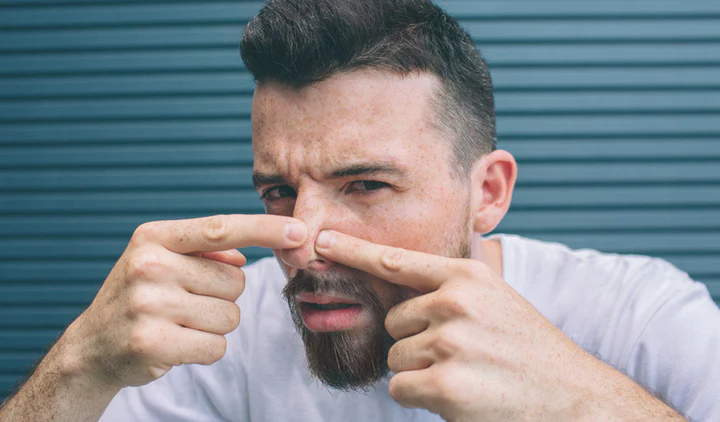
Have you ever looked in the mirror and seen tiny, dark spots on your nose? You’re not alone! These spots, called blackheads, are a common skin issue. They can be frustrating and make your skin look less clear. I understand the struggle; I’ve tried many ways to achieve clear skin myself.
Getting rid of blackheads on your nose is not a mystery. It’s important to know what they are, why they form, and how to treat them safely. In this guide, I will share what I’ve learned about blackheads, including their causes, effective home remedies, recommended products, and professional treatments. My goal is to help you achieve clearer, healthier skin. Let’s get started and improve your skincare routine!
What Exactly Are Blackheads?
Before we talk about how to get rid of them, let’s understand what blackheads truly are. Many people mistakenly believe blackheads are simply dirt stuck in their pores, but that’s not quite right!
Blackheads are a type of comedone, which is a hair follicle that has become clogged. Think of your skin as having tiny openings, called pores, all over it. Each pore contains a hair follicle and a sebaceous gland, which produces oil (sebum) to keep your skin moist and healthy.
Sometimes, these pores can get blocked. This blockage usually happens when:
- Excess oil (sebum) is produced.
- Dead skin cells don’t shed properly and get trapped.
When this mixture of oil and dead skin cells clogs a pore, it forms a plug. If this plug is open to the air at the surface of your skin, the top part of the plug oxidizes (reacts with oxygen), turning a dark color. This is why it looks black – it’s not dirt, but rather oxidized sebum and dead skin cells!
“Blackheads aren’t dirt! They’re oxidized oil and dead skin cells trapped in an open pore. Understanding this is the first step to treating them right.”
Why Do They Appear on the Nose So Much?
You might notice blackheads are especially common on your nose, chin, and forehead – what we call the “T-zone.” There’s a good reason for this!
- More Oil Glands: The skin on your nose and the rest of your T-zone has a higher concentration of sebaceous glands, meaning it naturally produces more oil. More oil means a higher chance of clogged pores.
- Larger Pores: The pores on your nose tend to be naturally larger than those on other parts of your face. Larger pores can collect more debris, making blackheads more noticeable.
- Exposure: Your nose is always exposed to the environment – pollution, makeup, and sweat can all contribute to clogged pores.
So, while blackheads are a common skin concern, especially on the nose, they are completely manageable with the right approach.
Why Do I Get Blackheads on My Nose? Understanding the Causes
Understanding the root causes of blackheads is the first step toward effective prevention and treatment. It’s not just about what you do to your skin, but also about what’s happening inside your body and around you.
Let’s break down the main culprits:
1. Excess Oil (Sebum) Production
As I mentioned, your skin naturally produces oil to keep itself hydrated. However, if your sebaceous glands go into overdrive and produce too much sebum, it creates a fertile ground for blackheads. This excess oil can easily mix with dead skin cells and plug up your pores.
2. Dead Skin Cells
Your skin is constantly renewing itself, shedding old, dead cells and replacing them with new ones. Sometimes, these dead skin cells don’t shed properly and get trapped in your pores. When they combine with excess oil, they form a perfect plug.
3. Bacteria
While blackheads aren’t typically caused by bacteria in the same way pimples are (which are often inflamed), bacteria can still play a role. When pores are clogged, it creates an environment where bacteria can thrive, potentially leading to more severe forms of acne if the blackhead becomes inflamed.
4. Hormonal Changes
Hormones are powerful! Fluctuations in hormones, especially androgens (male hormones present in both men and women), can trigger increased oil production. This is why blackheads and acne are common during:
- Puberty
- Menstruation
- Pregnancy
- Stress
5. Genetics
Unfortunately, some of us are just more prone to blackheads due to our genes. If your parents had oily skin or were prone to blackheads, you might be too. You can’t change your genes, but you can manage their effects with a good skincare routine!
6. Diet and Lifestyle (The Misconception vs. Reality)
For a long time, people thought diet was a huge cause of acne and blackheads. While the link isn’t as direct as some believe, certain dietary habits can influence skin health.
- High Glycemic Index Foods: Foods that cause a rapid rise in blood sugar (like refined carbs and sugary snacks) might contribute to increased oil production in some individuals.
- Dairy: Some studies suggest a link between dairy consumption and acne in certain people, but more research is needed.
Instead of focusing too much on eliminating specific foods, I recommend focusing on a balanced diet rich in fruits, vegetables, and whole grains. A healthy diet supports overall skin health, just like a great barber can help you achieve the perfect look that complements your overall well-being. Speaking of overall well-being and looking your best, sometimes our choices for self-care extend beyond just diet. Just as a visit to a good barbershop can offer more than just a haircut, giving you advice on overall grooming and well-being, taking care of your skin is a crucial part of looking and feeling your best.
7. Poor Skincare Habits
This is a big one!
- Infrequent Cleansing: Not washing your face regularly allows oil, dirt, and makeup to build up and clog pores.
- Using Harsh Products: Products that strip your skin of its natural oils can cause your skin to produce more oil to compensate, leading to a vicious cycle.
- Non-Comedogenic Products: Using makeup, moisturizers, or sunscreens that are “comedogenic” (pore-clogging) can directly lead to blackheads. Always look for “non-comedogenic” or “non-acnegenic” labels.
- Not Removing Makeup: Sleeping with makeup on is a huge no-no! It traps dirt and oil in your pores all night.
8. Environmental Factors
Your environment can also play a role:
- Pollution: Air pollution can settle on your skin, contributing to clogged pores and irritation.
- Humidity: High humidity can increase sweat and oil production, potentially leading to more blackheads.
- Touching Your Face: Constantly touching your nose can transfer dirt, oil, and bacteria from your hands to your face.
Understanding these causes helps us tackle blackheads from multiple angles, leading to clearer, healthier skin.
The Do’s and Don’ts of Blackhead Removal
When it comes to getting rid of blackheads, knowing what to do – and more importantly, what not to do – can make all the difference. Many common practices can actually worsen the problem or damage your skin.
The DOs: What You Should Do
1. DO Cleanse Regularly and Gently
Washing your face twice a day (morning and night) is crucial. Use a mild, gentle cleanser.
- Morning: To wash away any oil or sweat that accumulated overnight.
- Night: To remove makeup, dirt, oil, and pollutants from the day.
2. DO Exfoliate with Chemical Exfoliants (AHAs & BHAs)
This is arguably the most effective step for blackheads. Instead of harsh physical scrubs, opt for chemical exfoliants:
- Salicylic Acid (BHA): This is the superstar for blackheads! Salicylic acid is oil-soluble, meaning it can penetrate through the oil in your pores to dissolve the clogs from within. It helps to clear out existing blackheads and prevent new ones. Look for cleansers, toners, or serums with 0.5% to 2% salicylic acid.
- Alpha Hydroxy Acids (AHAs): Glycolic acid and lactic acid are AHAs. They work on the surface of your skin to loosen dead skin cells, helping them to shed more easily. While BHAs are better for blackheads specifically, AHAs can complement your routine for overall skin texture.
3. DO Use Non-Comedogenic Products
Always check the labels on your makeup, moisturizers, and sunscreens. Look for words like “non-comedogenic,” “non-acnegenic,” or “oil-free.” This means the product is formulated not to clog pores.
4. DO Steam Your Face (Gently)
Steaming can help to loosen the plugs in your pores, making blackheads easier to extract (if done by a professional) or making your cleansers and exfoliants work better.
- How to: Fill a bowl with hot (but not boiling) water. Drape a towel over your head and lean over the bowl for 5-10 minutes. Be careful not to burn your skin.
- Frequency: Once or twice a week is usually enough.
5. DO Moisturize Regularly
Even if you have oily skin, moisturizing is essential! When your skin is dry, it can produce more oil to compensate, leading to more blackheads. Use a lightweight, non-comedogenic moisturizer.
6. DO Consider Professional Help 👩⚕️
For stubborn blackheads or if you’re unsure about your routine, a dermatologist or licensed esthetician can provide professional extractions, chemical peels, or recommend the best products for your skin type. They understand how to get rid of blackheads on your nose safely and effectively.
The DON’Ts: What You Should NOT Do
1. DON’T Squeeze or Pick Your Blackheads
I know, it’s tempting! But squeezing blackheads, especially with your fingers or untrained tools, can push the clog deeper, introduce bacteria, cause inflammation, and lead to:
- Skin irritation and redness
- Infection
- Scarring
- Making the blackhead worse or turning it into a pimple. Leave extractions to the professionals!
2. DON’T Use Harsh Physical Scrubs Too Often, abrasive
While exfoliation is good, harsh scrubs with large, irregular particles can:
- Create micro-tears in your skin, damaging its protective barrier.
- Spread bacteria, leading to more breakouts.
- Causes irritation and redness, especially on sensitive skin. Stick to gentle chemical exfoliants like BHAs.
3. DON’T Over-Exfoliate
Even good exfoliants can be harmful if used too often. Over-exfoliating can:
- Strip your skin of its natural oils, leading to dryness and irritation.
- Damage your skin’s barrier, making it more vulnerable to bacteria and environmental damage.
- Trigger increased oil production as your skin tries to compensate. Start with 2-3 times a week and adjust based on how your skin reacts.
4. DON’T Ignore Sunscreen
Many products for blackheads (especially AHAs and BHAs) can make your skin more sensitive to the sun. Always use a broad-spectrum sunscreen with at least SPF 30 every day, even on cloudy days. Sun damage can also worsen skin texture and hyperpigmentation.
5. DON’T Rely Solely on Pore Strips (or use them too often)
Pore strips can visibly remove some superficial blackheads, which can feel satisfying. However:
- They don’t prevent new blackheads from forming.
- They can be too harsh for sensitive skin, potentially causing irritation or even broken capillaries if used too frequently or aggressively.
- They only remove the very top layer of the blackhead, not the entire plug. Use them sparingly, if at all, and always follow the instructions carefully.
By following these dos and don’ts, you’ll be on your way to treating blackheads safely and effectively, paving the way for clearer, healthier skin. Just as you would choose the right treatment for your hair, whether it’s permanent or temporary, it’s about choosing the correct approach for your skin’s needs. Speaking of choices, understanding the differences between treatments is key, much like understanding the nuances of permanent vs. temporary hair straightening treatments to pick what’s right for you.
Effective Home Remedies and DIY Solutions
While over-the-counter products are often the most effective, some home remedies can help complement your routine, especially for mild cases or as a gentle addition. Remember, consistency is key, and patch-testing any new remedy on a small area of your skin first is always a good idea.
Here are some popular home remedies:
1. Clay Masks (Bentonite or Kaolin Clay)
Clay masks are fantastic for oily and blackhead-prone skin. They work by absorbing excess oil and impurities from the pores, helping to draw out the gunk that forms blackheads.
- How to use: Mix 1-2 tablespoons of clay powder with water (or apple cider vinegar for extra benefits) until it forms a paste. Apply to your nose (or entire T-zone), let it dry for 10-15 minutes, then rinse thoroughly with warm water.
- Frequency: 1-2 times a week.
2. Charcoal Masks
Activated charcoal is known for its ability to bind to toxins and impurities. Similar to clay, charcoal masks can help pull out excess oil and dirt from pores.
- How to use: You can buy pre-made charcoal masks or mix activated charcoal powder with water or aloe vera gel. Apply, let dry, and rinse.
- Caution: Be wary of peel-off charcoal masks, as some can be very harsh and strip your skin. Opt for rinse-off versions.
3. Honey and Cinnamon Mask
This combination has antibacterial and anti-inflammatory properties, and cinnamon can help improve blood circulation.
- How to use: Mix 1 tablespoon of raw honey with ½ teaspoon of cinnamon powder to form a paste. Apply a thin layer to your blackhead-prone areas and leave on for 10-15 minutes before rinsing.
- Note: Cinnamon can sometimes cause a tingling sensation or slight redness. If irritation occurs, rinse immediately.
4. Oatmeal Scrub
Oatmeal is soothing and can act as a gentle physical exfoliant when finely ground. It also absorbs oil.
- How to use: Cook a small amount of plain oatmeal and let it cool. Apply it as a mask or gently massage it onto your nose in circular motions for a mild exfoliation. Leave on for 5-10 minutes, then rinse.
- Frequency: 1-2 times a week.
5. Green Tea Toner 🍵
Green tea is packed with antioxidants and has anti-inflammatory properties. It can help reduce oil production and calm the skin.
- How to use: Brew a cup of green tea and let it cool completely. Use a cotton pad to apply it to your nose as a toner after cleansing. Don’t rinse. Store the rest in the fridge for up to 2-3 days.
- Frequency: Daily, morning and night.
6. Diluted Apple Cider Vinegar (ACV)
ACV has alpha hydroxy acids (AHAs) that can help exfoliate and balance skin pH. It also has antibacterial properties.
- How to use: Mix one part apple cider vinegar with three parts water (start with more water if you have sensitive skin). Apply to your nose with a cotton pad after cleansing. Let it dry, then apply moisturizer.
- Caution: ACV is acidic and can be irritating if not diluted properly. Always dilute it and do a patch test first.
- Frequency: Once a day, or every other day.
While these home remedies can offer some benefits, they are generally less potent than dedicated skincare products containing active ingredients like salicylic acid. They are best used as supportive treatments within a consistent skincare routine.
Top Products to Combat Blackheads
When it comes to truly tackling blackheads, certain skincare ingredients and products stand out as highly effective. These are the workhorses of blackhead removal and prevention.
1. Salicylic Acid (BHA) – The Blackhead Buster!
This is the number one ingredient I recommend for blackheads.
- How it works: Salicylic acid is a beta-hydroxy acid (BHA) that is oil-soluble. This means it can penetrate deep into your pores, cut through the oil, and dissolve the mixture of sebum and dead skin cells that cause blackheads. It also helps to exfoliate the surface of the skin, preventing new clogs.
- Product types: Look for cleansers, toners, serums, or leave-on treatments containing 0.5% to 2% salicylic acid.
- How to use: Start with a lower concentration or use it a few times a week, gradually increasing frequency as your skin tolerates it. Apply after cleansing.
2. Retinoids (Retinol, Adapalene)
Retinoids are derivatives of Vitamin A and are incredibly powerful for skin health, including blackheads.
- How it works: Retinoids work by speeding up cell turnover, which helps to prevent dead skin cells from accumulating and clogging pores. They also reduce oil production and improve skin texture.
- Product types: Over-the-counter options include retinol and adapalene (Differin Gel). Stronger retinoids are available by prescription.
- How to use: Start slowly, 2-3 nights a week, as retinoids can cause initial dryness or purging. Always use sunscreen during the day when using retinoids.
3. Niacinamide (Vitamin B3)
While not a direct blackhead remover, niacinamide is an excellent supportive ingredient.
- How it works: It helps to regulate oil production, reduce inflammation, and improve the skin’s barrier function. Controlling oil can indirectly help prevent blackheads.
- Product types: Serums are most common, usually in concentrations of 5-10%.
- How to use: It can be used daily, in the morning, and/or at night.
4. Clay and Charcoal Masks (Commercial Products)
While I mentioned DIY versions, many excellent pre-made clay and charcoal masks are available.
- How it works: These masks absorb excess oil, draw out impurities, and provide a deep cleanse, which helps reduce the appearance of blackheads.
- Product types: Look for masks containing bentonite clay, kaolin clay, or activated charcoal.
- How to use: Typically 1-2 times a week.
5. Gentle Cleansers
A good cleanser sets the foundation for your routine.
- How it works: Removes surface dirt, oil, and makeup without stripping your skin.
- Product types: Look for gentle, pH-balanced cleansers. If you have oily or blackhead-prone skin, a salicylic acid cleanser can be a great choice for daily use.
6. Non-Comedogenic Moisturizers
Don’t skip moisturizer!
- How it works: Keeps your skin hydrated, which prevents it from overproducing oil to compensate for dryness.
- Product types: Lightweight, oil-free, non-comedogenic lotions or gels.
7. Hydrating Toners (Alcohol-Free)
A good toner can help balance your skin’s pH and deliver active ingredients.
- How it works: Prepares your skin for serums and moisturizers. Some contain gentle exfoliants or hydrating ingredients.
- Product types: Avoid toners with high alcohol content, as they can be drying. Look for ones with witch hazel (alcohol-free), rose water, or hydrating ingredients like hyaluronic acid.
Remember, building an effective skincare routine takes time and consistency. Just as you would explore various hair loss solutions for healthier, fuller hair, finding the right products for your blackheads might involve some trial and error. Speaking of comprehensive care, understanding that various approaches exist for different concerns, such as hair loss solutions, is key to achieving optimal results.
Professional Treatments for Stubborn Blackheads
Sometimes, despite your best efforts with home care and over-the-counter products, blackheads can be persistent. This is when professional treatments can make a significant difference. A licensed esthetician or dermatologist can provide more intensive solutions.
1. Professional Extractions
This is the most direct way to remove existing blackheads.
- What it is: A trained professional (esthetician or dermatologist) uses special tools (like a comedone extractor) or their gloved fingers with gentle pressure to safely remove the blackhead from the pore.
- Benefits: Immediate removal of blackheads, done safely to minimize damage and scarring.
- Considerations: Should only be performed by a trained professional. Attempting this at home can lead to infection, scarring, or pushing the clog deeper. Often part of a professional facial.
2. Chemical Peels 🧪
Chemical peels involve applying a chemical solution to the skin to exfoliate the top layers.
- What it is: Mild peels, often using salicylic acid, glycolic acid, or lactic acid, are applied to the skin. They cause the top layer of skin to gently peel away, revealing smoother skin underneath and helping to unclog pores.
- Benefits: Reduces blackheads, improves skin texture, evens skin tone, and can reduce fine lines.
- Considerations: Mild redness or peeling for a few days after. Multiple sessions may be needed. Always follow post-peel care instructions carefully.
3. Microdermabrasion
This is a physical exfoliation treatment that uses a machine to gently remove the outermost layer of dead skin cells.
- What it is: A device uses fine crystals or a diamond-tipped wand to abrade the skin’s surface, while a vacuum suction removes the exfoliated cells.
- Benefits: Improves skin texture, reduces the appearance of blackheads and large pores, and stimulates collagen production.
- Considerations: Mild redness immediately after. Multiple sessions are usually recommended for best results.
4. Laser and Light Therapy (Less Common for Blackheads Alone)
While not typically a primary treatment for blackheads, some laser and light therapies can help with underlying issues.
- What it is: Certain lasers or light devices can target oil glands to reduce sebum production or improve overall skin health.
- Benefits: Can help reduce overall oiliness and indirectly prevent blackheads. More commonly used for inflammatory acne or acne scarring.
- Considerations: More expensive, may require multiple sessions, and have specific downtime depending on the type of laser.
5. Prescription Medications
For very severe or persistent blackheads that are part of a larger acne problem, a dermatologist might prescribe stronger medications.
- Oral Medications: Less common for blackheads alone, but sometimes used for severe acne (e.g., isotretinoin, certain antibiotics).
- Topical Medications: Stronger retinoids (like Tretinoin) or other topical treatments may be prescribed.
When considering professional treatments, always consult with a qualified dermatologist or licensed esthetician. They can assess your skin type, the severity of your blackheads, and recommend the most suitable and safest course of action for you. Just as you’d trust a great barber to give you the perfect cut that complements your features, professional skin experts know how to bring out the best in your skin. In fact, a great barber understands the power of a perfect cut that complements your overall appearance, and similarly, professional skin care ensures your skin contributes positively to your look and confidence.
Prevention is Key: Long-Term Strategies for Clear Skin
Getting rid of existing blackheads is great, but preventing new ones from forming is the ultimate goal. A consistent, long-term approach is crucial for maintaining clear, healthy skin.
1. Stick to a Consistent Skincare Routine
This is the foundation!
- Cleanse: Twice a day, every day, with a gentle cleanser.
- Exfoliate: Regularly with a BHA product (2-3 times a week, or as tolerated).
- Moisturize: Daily, with a non-comedogenic moisturizer.
- Sunscreen: Every morning, broad-spectrum SPF 30+.
“Consistency in your skincare routine is like building a strong foundation for your skin. It’s not about quick fixes, but about daily dedication.”
2. Hydration from Within
Drinking enough water is essential for overall health, including your skin. Well-hydrated skin functions better, and some believe it can help with detoxification processes. Aim for at least 8 glasses of water a day.
3. Maintain a Healthy Lifestyle
Your skin often reflects your overall health.
- Balanced Diet: Focus on whole foods, plenty of fruits and vegetables, and healthy fats. Limit processed foods and excessive sugar.
- Adequate Sleep: Your body repairs itself, including your skin, when you sleep. Aim for 7-9 hours of quality sleep per night.
- Stress Management: Stress can trigger hormonal fluctuations that lead to increased oil production. Find healthy ways to manage stress, such as exercise, meditation, or hobbies.
4. Regular Pillowcase Changes
Your pillowcase accumulates oil, dead skin cells, and bacteria from your hair and face. Change your pillowcase at least once a week, or more frequently if you have oily skin or hair. This simple step can significantly reduce pore-clogging debris.
5. Clean Your Phone Screen
Your phone touches your face constantly, transferring oil, dirt, and bacteria. Wipe down your phone screen daily with an antibacterial wipe.
6. Avoid Pore-Clogging Makeup and Products
Always check labels for “non-comedogenic” or “non-acnegenic.” Opt for mineral-based makeup if possible, as it tends to be less irritating and pore-clogging.
7. Wash Your Face After Sweating
If you work out or sweat a lot, cleanse your face as soon as possible afterward. Sweat can mix with oil and dead skin cells, creating a perfect storm for clogged pores.
8. Be Patient and Persistent
Skin improvement takes time. You won’t see results overnight. Stick with your routine for at least 4-6 weeks before evaluating its effectiveness. Just as you would address the root causes of hair loss to prevent balding effectively, understanding what causes blackheads is key to preventing them. And just like preventing hair loss requires a consistent approach to hair care, preventing blackheads demands consistent skin care. You can learn more about tackling hair loss effectively by checking out articles on how to prevent balding effectively.
My Personal Journey and Tips
As someone who has dealt with blackheads on my nose for years, I can tell you that finding the right routine was a journey of trial and error. I tried everything from harsh scrubs (which only made things worse!) to DIY masks that promised miracles.
What finally worked for me was a combination of understanding the science and being consistent.
My top personal tips:
- Salicylic Acid is a Game-Changer: Seriously, if you’re not using it, start. I use a 2% BHA liquid toner every other night, and it has made the biggest difference in keeping my pores clear.
- Double Cleansing at Night: If I wear makeup or sunscreen, I always double cleanse. First, an oil-based cleanser or micellar water to break down makeup and sunscreen, then a gentle water-based cleanser to clean my skin. This ensures no residue is left behind to clog pores.
- Gentle is Always Better: I learned the hard way that aggressive scrubbing or picking just irritates my skin and makes blackheads worse. Treating my skin gently has been crucial.
- Moisturize, Moisturize, Moisturize! Even with oily skin, not moisturizing made my skin produce even more oil. A light, gel-based moisturizer keeps my skin happy and balanced.
- Pillowcases! This was a small change that made a surprisingly big difference. Changing my pillowcase every 2-3 days, especially in the summer, really cuts down on breakouts.
- Don’t Obsess: While it’s good to be diligent, don’t let blackheads consume you. Focus on a consistent routine, and trust the process. Our skin isn’t meant to be “poreless,” and a few visible pores are totally normal.
Remember, every skin is unique. What works for me might need slight adjustments for you. The key is to listen to your skin and be patient.
When to See a Dermatologist
While this guide provides comprehensive information, there are times when it’s best to seek professional medical advice. You should consider seeing a dermatologist if:
- Your blackheads are severe and widespread: If you have a large number of blackheads that don’t respond to over-the-counter treatments.
- You also have inflammatory acne: If your blackheads are accompanied by painful cysts, nodules, or pustules.
- You experience scarring: If you notice any scarring from previous breakouts or blackhead attempts.
- Your skin is very sensitive or reactive: A dermatologist can help you find products that won’t irritate your skin.
- You’re unsure about your skin condition: If you’re not sure if what you have are truly blackheads or another skin condition.
- You want professional extractions: For safe and effective removal of stubborn blackheads.
A dermatologist can provide a proper diagnosis, prescribe stronger medications, or recommend in-office procedures that are tailored to your specific needs. Just like dandruff, blackheads are a common skin concern, and understanding their symptoms, causes, and treatments is essential. If you’re dealing with persistent issues like dandruff, knowing when to seek professional help is also key. You can find more information about common skin and scalp concerns, such as dandruff symptoms, causes, and treatments, which often highlights the importance of professional advice for persistent conditions.
Conclusion
Blackheads on your nose can be a persistent nuisance, but they are definitely not unbeatable! By understanding what causes them and adopting a consistent, gentle, and effective skincare routine, you can significantly reduce their appearance and prevent new ones from forming.
Remember these key takeaways:
- Gentle cleansing and targeted exfoliation (especially with salicylic acid) are your best friends.
- Avoid harsh picking or squeezing to protect your skin from damage.
- Consistency is more important than intensity. Stick to your routine daily.
- Listen to your skin and adjust your products and frequency as needed.
- Don’t hesitate to seek professional help if your blackheads are stubborn or severe.
Your journey to clearer, healthier skin is within reach. With a little knowledge, patience, and the right approach, you can confidently say goodbye to those pesky blackheads and hello to a smoother, more radiant complexion. You’ve got this!