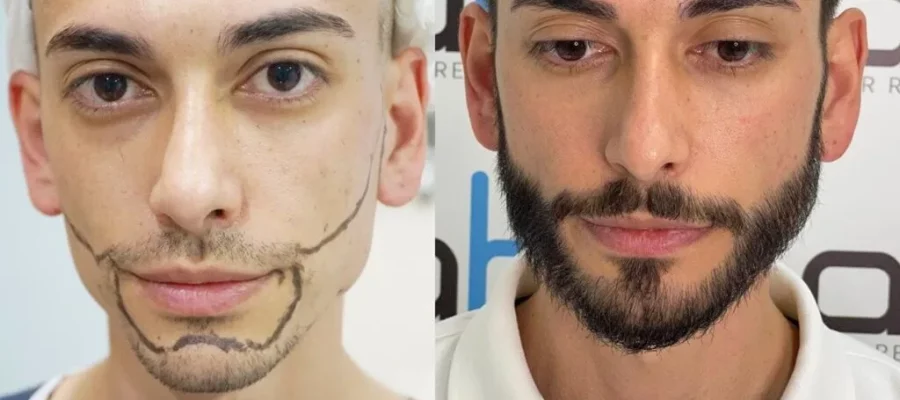
Dreaming of a fuller, more defined beard but struggling with patchy growth or thin areas? You’re not alone! Many men desire a robust beard, seeing it as a symbol of masculinity, style, and confidence. While some are blessed with natural, thick facial hair, others find themselves wishing for more. This is where beard transplants come into play, offering a permanent solution for those looking to enhance their facial hair.
In Pakistan, the popularity of beard transplants has surged, with more clinics offering this specialized procedure. But what exactly does it involve? How much does it cost in 2025? What are the potential risks, and are there other options worth considering? I’m here to break down everything you need to know, helping you make an informed decision on your journey to the perfect beard. Let’s dive in!
Key Takeaways
- Beard Transplants Offer a Permanent Solution: This procedure takes hair from one part of your body (usually the back of your head) and moves it to your face to create a fuller beard.
- Costs in Pakistan are Competitive: In 2025, beard transplant costs in Pakistan are generally more affordable than in many Western countries, ranging from PKR 100,000 to PKR 400,000, depending on various factors.
- Understand the Risks: Like any surgery, there are potential risks such as swelling, redness, infection, and scarring. Choosing an experienced surgeon is key to minimizing these.
- Explore Alternatives: If surgery isn’t for you, there are non-surgical options like Minoxidil, PRP therapy, microneedling, and supplements that can help stimulate beard growth.
- Choose Your Clinic Wisely: Researching clinics, checking surgeon qualifications, and reading patient reviews are crucial steps before committing to a procedure.
What Exactly is a Beard Transplant?
Imagine taking healthy hair from one area of your body and carefully placing it where you want your beard to grow. That, in a nutshell, is a beard transplant! It’s a cosmetic procedure designed to restore or enhance facial hair, creating a thicker, denser, or more evenly distributed beard, mustache, or sideburns.
The most common method used for beard transplants is called Follicular Unit Extraction (FUE). Here’s how it generally works:
- Donor Area Selection: Typically, hair is taken from the back or sides of your head, as this hair is usually resistant to balding and closely matches facial hair texture.
- Extraction: Individual hair follicles (tiny groups of 1-4 hairs) are carefully extracted one by one using a specialized micro-punch tool. This leaves very tiny, almost invisible scars.
- Recipient Area Preparation: The surgeon meticulously plans the beard shape and density. Tiny incisions are then made in the beard area, following the natural angle and direction of your existing facial hair. This is crucial for a natural look.
- Implantation: The extracted hair follicles are then carefully implanted into these incisions.
There’s also another method called Follicular Unit Transplantation (FUT), where a strip of skin is removed from the donor area, and then individual follicles are harvested from that strip. While it can yield more grafts, it leaves a linear scar, making FUE the preferred choice for most beard transplants due to its less invasive nature and minimal scarring.
“A beard transplant isn’t just about moving hair; it’s about crafting a natural-looking beard that complements your facial features. Precision and artistic skill are paramount.”
Who is a Good Candidate for a Beard Transplant?
Not everyone is suitable for a beard transplant. Generally, you might be a good candidate if you:
- Have patchy or thin beard growth.
- Have scars on your face that prevent hair from growing.
- Have sufficient healthy donor hair on your scalp.
- They are in good overall health.
- Have realistic expectations about the results.
- They are at least 25 years old, as facial hair growth patterns usually stabilize by this age.
Beard Transplant Costs in Pakistan (2025)
One of the biggest questions on anyone’s mind is, “How much will this cost?” When it comes to beard transplants in Pakistan in 2025, you’ll find that prices are significantly more competitive compared to Western countries like the USA, UK, or Canada, where procedures can easily run into thousands of dollars. This affordability, combined with the presence of skilled surgeons, makes Pakistan an attractive destination for many.
However, giving an exact figure is tricky because the cost depends on several factors. Think of it like buying a car – the price varies based on the model, features, and dealership!
Factors Influencing the Cost:
- Number of Grafts Needed: This is the most significant factor. A small patch repair might need a few hundred grafts, while a full, dense beard could require 2,000 to 3,500 grafts or more. More grafts mean higher costs.
- Clinic Reputation and Location: High-end clinics in major cities like Karachi, Lahore, or Islamabad, especially those with state-of-the-art facilities and a strong track record, may charge more.
- Surgeon’s Experience and Expertise: Highly experienced surgeons with a history of successful beard transplants often command higher fees. Their skill is crucial for natural-looking results.
- Technique Used: While FUE is dominant, variations in technique or specialized tools can influence pricing.
- Included Services: Some clinics offer packages that include post-operative care, medications, or follow-up appointments, which can impact the overall price.
Estimated Price Range in 2025:
Based on current market trends and discussions with various clinics, you can expect the cost of a beard transplant in Pakistan to generally fall within the range of PKR 100,000 to PKR 400,000.
- Small areas (e.g., filling in patches): PKR 100,000 – PKR 180,000
- Medium coverage (e.g., enhancing density): PKR 180,000 – PKR 280,000
- Full beard restoration (e.g., creating a dense beard from scratch): PKR 280,000 – PKR 400,000+
It’s important to remember that these are estimates. Always schedule a consultation with a few different clinics to get precise quotes tailored to your specific needs.
| Factor | Impact on Cost | Example Scenario |
| Number of Grafts | Higher grafts = Higher cost | 500 grafts (patch) vs. 2500 grafts (full beard) |
| Clinic Reputation | Renowned clinics charge more | A top clinic in Karachi vs. a smaller clinic in a less central area |
| Surgeon’s Experience | Highly skilled surgeons cost more | A surgeon with 15+ years of experience vs. a newer practitioner |
| Location | Major city clinics can be pricier | Islamabad vs. a smaller provincial city |
| Included Services | Comprehensive packages might have a higher upfront cost | Package with post-op care vs. procedure-only |
Risks and Side Effects of Beard Transplants
Like any medical procedure, beard transplants come with potential risks and side effects. While generally safe, it’s crucial to be aware of them before making a decision. Knowing what to expect can help you prepare and recover better.
Common and Mild Side Effects:
These are usually temporary and resolve within a few days to weeks:
- Swelling: You might experience swelling in your face, especially around the beard and donor areas. This is normal and typically subsides within a few days.
- Redness: The treated areas will appear red, similar to a sunburn. This can last for a week or two.
- Itching: As the skin heals, you might feel some itching. It’s important not to scratch to avoid dislodging grafts or causing infection.
- Numbness: Temporary numbness in the donor and recipient areas is common due to nerve irritation during the procedure. Sensation usually returns over time.
- Crusting: Small crusts will form around each newly implanted hair follicle. These will naturally fall off within a week or so.
- Mild Pain/Discomfort: You might feel some soreness, which can usually be managed with over-the-counter pain relievers.
Less Common but More Serious Risks:
While rare, these complications can occur:
- Infection: Any surgical procedure carries a risk of infection. Following post-operative care instructions, including keeping the area clean, is vital to prevent this.
- Poor Growth or Unnatural Appearance: If the grafts are not implanted correctly, or if the surgeon lacks artistic skill, the beard might look unnatural, patchy, or grow in the wrong direction.
- Scarring: While FUE minimizes scarring, tiny white dots can be visible in the donor area, especially if you shave your head very short. In rare cases, keloid scars (raised, thick scars) can form.
- Folliculitis: This is an inflammation or infection of the hair follicles, which can appear as small pimples. It’s usually treatable with medication.
- Shock Loss: Sometimes, existing hair around the transplanted area, or even in the donor area, can temporarily shed due to the trauma of surgery. This is usually temporary, and hair regrows.
- Allergic Reaction: Though rare, some individuals might have an allergic reaction to anesthesia or medications used during or after the procedure.
“Minimizing risks starts with choosing a highly qualified and experienced surgeon. Their expertise is your best defense against complications and ensures a successful, natural-looking result.”
The Importance of a Qualified Surgeon
I cannot stress this enough: your choice of surgeon and clinic is paramount. A skilled surgeon will not only perform the procedure safely but also possess the artistic eye to design a beard that looks natural and suits your face. They will also provide clear instructions for before and after care, significantly reducing the likelihood of complications.
The Procedure: What to Expect
Undergoing a beard transplant is a journey, and knowing what to expect at each stage can ease any anxieties you might have.
1. The Consultation
This is your first crucial step! During the consultation, I will:
- Evaluate your facial hair growth: We’ll look at your existing beard pattern, density, and areas you want to enhance.
- Assess your donor area: I’ll check the quality and quantity of hair available on your scalp (usually the back and sides).
- Discuss your goals: What kind of beard do you envision? We’ll talk about shape, density, and hairline.
- Explain the procedure: I’ll walk you through the FUE process, potential risks, and expected outcomes.
- Provide a cost estimate: Based on the number of grafts needed and the complexity of your case.
- Answer all your questions: No question is too small!
2. The Day of the Procedure
The procedure is usually performed on an outpatient basis, meaning you’ll go home the same day.
- Preparation: Your donor area will be shaved, and local anesthesia will be applied to both the donor and recipient areas. You’ll be awake but won’t feel pain.
- Graft Extraction: The surgeon will carefully extract individual hair follicles from your donor area. This part can take several hours, depending on the number of grafts.
- Implantation: Tiny incisions are made in your beard area, and the extracted grafts are meticulously implanted, following the natural direction of hair growth. This also takes several hours.
- Duration: A full beard transplant can take anywhere from 4 to 8 hours, or even longer for very extensive cases. Bring a book or listen to music!
3. Post-Procedure Care and Recovery
The days and weeks following your transplant are critical for the success of the grafts.
- Immediately after: You’ll have tiny crusts around each graft, and the area might be red and swollen. You’ll receive detailed instructions on how to care for your new beard.
- First Few Days: Avoid touching or rubbing the transplanted area. You’ll need to be very gentle when washing your face. I usually recommend a special spray or a gentle washing technique.
- First 2 Weeks: The tiny crusts will start to fall off. It’s normal for the transplanted hairs to shed during this period – don’t panic! This is a natural part of the process called “shock loss.”
- Months 2-4: New hair growth will begin. It might be fine and sparse at first, but it will gradually thicken.
- Months 6-12: You’ll see significant growth and density. The transplanted hairs will continue to mature and thicken, giving you a fuller beard.
Remember, patience is key! The final results can take up to 12-18 months to fully manifest.
Alternatives to Beard Transplants
While beard transplants offer a permanent solution, they aren’t the only path to a better beard. If surgery isn’t for you, or if you’re looking for less invasive options, there are several alternatives worth exploring. Sometimes, combining a few of these can even yield better results!
1. Minoxidil (Rogaine)
- How it Works: Minoxidil is a topical solution or foam that you apply directly to your skin. It’s thought to widen blood vessels, increasing blood flow to hair follicles, and extending the growth phase of hair.
- Pros: Non-invasive, widely available, can stimulate growth and thickness.
- Cons: Requires consistent, long-term use; results can vary; potential side effects include skin irritation, dryness, or unwanted hair growth elsewhere if not applied carefully.
- My Take: A good starting point for those with patchy growth. Patience is essential, as results can take months.
2. Microneedling
- How it Works: This involves using a device with tiny needles (a derma roller or pen) to create microscopic punctures in the skin. This process is believed to stimulate collagen production and improve blood flow, which can awaken dormant hair follicles.
- Pros: Can be done at home with caution, relatively inexpensive, and may enhance the absorption of other topical treatments like Minoxidil.
- Cons: Can cause irritation, redness, or even infection if not done hygienically; results are not guaranteed and often best when combined with other treatments.
- My Take: When combined with Minoxidil, microneedling has shown promising results for some individuals.
3. PRP (Platelet-Rich Plasma) Therapy
- How it Works: PRP therapy involves drawing a small amount of your blood, processing it to concentrate the platelets (which are rich in growth factors), and then injecting this plasma into your beard area. These growth factors are believed to stimulate hair follicles and promote new hair growth.
- Pros: Uses your body’s own resources, minimally invasive, generally safe with few side effects.
- Cons: Multiple sessions are usually required, can be more expensive than topical treatments, results vary, and scientific evidence for beard growth is still developing.
- My Take: A viable option for those looking for a natural boost to their hair growth, especially for general hair health and to prevent balding effectively. You can learn more about general hair loss solutions here and even how to prevent balding here.
4. Supplements & Diet
- How it Works: Ensuring your body has the right nutrients can support healthy hair growth. Key vitamins and minerals include Biotin, Vitamin D, Zinc, and Iron. A balanced diet rich in proteins, healthy fats, and vitamins is crucial.
- Pros: Supports overall health, non-invasive, generally safe.
- Cons: Results are usually subtle and take a long time; not a magic bullet for significant patchiness.
- My Take: A healthy lifestyle is the foundation for healthy hair. Consider supplements only after consulting a doctor to ensure they are right for you.
5. Cosmetic Solutions
- How it Works: These are temporary solutions to make your beard appear fuller. This includes beard dyes to darken lighter hairs, beard fillers (powders or fibers) to fill in sparse areas, and proper beard styling.
- Pros: Instant results, non-invasive, affordable.
- Cons: Temporary, requires daily application, not a growth solution.
- My Take: Great for special occasions or daily confidence boosts while you pursue other growth strategies.
6. Patience and Natural Growth
Sometimes, all you need is time! Facial hair growth patterns can change well into your late 20s and early 30s. Maintaining a healthy lifestyle, reducing stress, and proper beard care can go a long way.
Choosing the Right Clinic and Surgeon in Pakistan
This is perhaps the most critical decision you’ll make on your beard transplant journey. A successful outcome depends heavily on the expertise of your surgeon and the quality of the clinic.
What to Look For:
- Board Certification & Qualifications: Ensure the surgeon is a qualified dermatologist or plastic surgeon with specific training and experience in hair transplantation. Don’t hesitate to ask for their credentials.
- Specialization in Beard Transplants: While many clinics offer hair transplants, look for one that has extensive experience specifically with facial hair. Beard transplants require a different artistic eye and technique than scalp transplants.
- Clinic Reputation & Reviews: Search online for patient reviews and testimonials. Look at before-and-after photos, paying close attention to the naturalness of the results.
- Technology & Facilities: A reputable clinic will use modern, sterile equipment and facilities.
- Transparent Pricing: The clinic should provide a clear, detailed breakdown of costs with no hidden fees.
- Comprehensive Consultation: A good clinic will offer a thorough consultation, assessing your needs, explaining the procedure, and setting realistic expectations.
- Post-Operative Support: Ask about their follow-up care, what support they offer during recovery, and if there’s a point of contact for any concerns.
Red Flags to Watch Out For:
- Unrealistically Low Prices: If a price seems too good to be true, it probably is. Cutting corners often means compromising on quality, hygiene, or surgeon experience.
- High-Pressure Sales Tactics: A reputable clinic will allow you time to make an informed decision without pressure.
- Lack of Before-and-After Photos: If they can’t show you examples of their work, that’s a major concern.
- Unqualified Staff: Ensure the person performing the surgery is a licensed and experienced doctor, not just a technician.
Making an Informed Decision
Embarking on a beard transplant journey is a significant personal decision. I encourage you to weigh all the information carefully, consider your personal goals, and manage your expectations.
- Research Thoroughly: Don’t rush into anything. Gather information, read patient experiences, and understand every aspect of the procedure.
- Consult Multiple Experts: Speak with a few different surgeons. This will give you various perspectives and help you find someone you trust and feel comfortable with.
- Be Realistic: While a beard transplant can dramatically improve your facial hair, the results will be natural, not always “perfect.” Discuss what’s achievable with your surgeon.
- Consider Your Budget and Time: Factor in not just the immediate cost but also potential recovery time and any follow-up treatments.
Ultimately, the goal is to achieve a beard that makes you feel confident and happy. Whether you choose a transplant or an alternative, make sure it’s the right choice for you.
Final Thoughts
Navigating the world of beard transplants in Pakistan in 2025 can seem overwhelming, but with the right information, you’re well-equipped to make a confident choice. We’ve explored everything from the costs and potential risks to the detailed procedure and a range of effective alternatives. Remember, whether you’re considering a permanent solution or exploring non-surgical options, patience, thorough research, and choosing qualified professionals are your best allies.
And once you’ve achieved that desired beard, remember that proper grooming and maintenance are key to keeping it looking its best. For expert beard care, styling, and a truly relaxing experience, I highly recommend visiting a professional barbershop. At The Barber’s Cafe, we understand that visiting a barbershop is more than just a haircut; it’s an experience. Our skilled barbers can help you maintain your new beard with precision and style, ensuring you always look sharp. Discover why every man needs a great barber and experience the benefits of a premium men’s salon for yourself. We’re here to help you perfect your look, from your beard to your overall style.