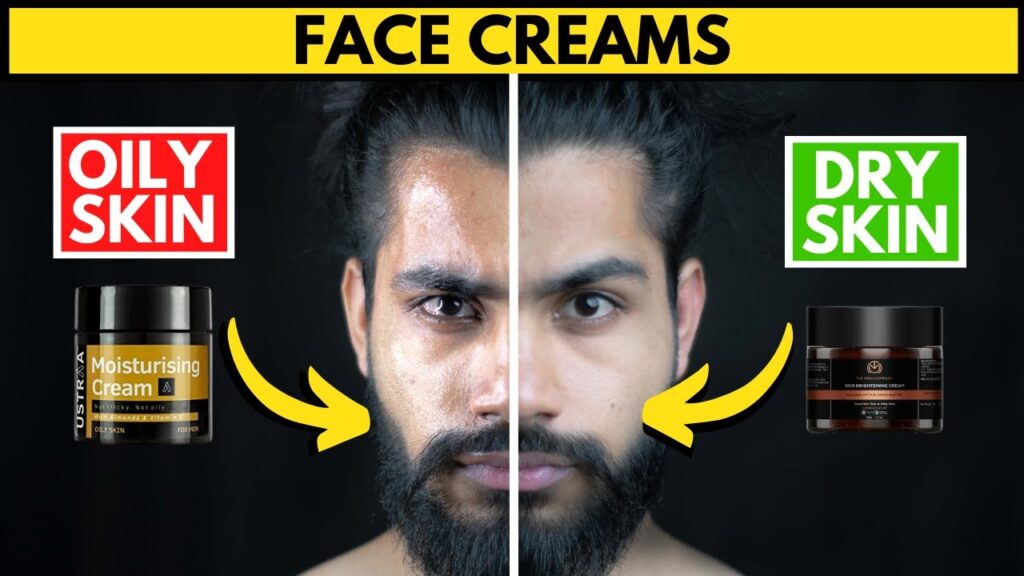
Have you ever looked in the mirror and wished for a more even, radiant skin tone? Perhaps you’ve noticed dark spots from sun exposure, old acne marks, or just a dull complexion that doesn’t quite glow. Many of us dream of achieving clearer, brighter skin, and the world of facial treatments offers a dazzling array of options. But with so many choices, it’s natural to wonder: “Which facial treatment is best for skin whitening?”
First, let’s clarify what “skin whitening” usually means in the beauty world. It’s not about changing your natural skin color to a lighter shade. Instead, it’s about reducing hyperpigmentation (dark spots), evening out your skin tone, reducing dullness, and achieving a more luminous, uniform complexion. Think of it as restoring your skin’s natural radiance and clarity!
In this complete guide, I’ll walk you through the most effective facial treatments for achieving brighter skin, helping you understand how they work, what to expect, and how to choose the right path for your unique skin journey.
Key Takeaways
- No Single “Best” Treatment: The ideal facial treatment for skin brightening depends on your specific skin type, concerns, and desired results. What works wonders for one person might not be right for another.
- Professional Guidance is Crucial: Always consult a dermatologist or a licensed aesthetician. They can properly assess your skin, recommend the safest and most effective treatments, and create a personalized plan.
- Common Effective Treatments: Chemical peels, laser therapy, and professional brightening facials are among the most popular and effective options for reducing dark spots and improving skin tone.
- Consistency and Aftercare are Key: Achieving and maintaining brighter skin requires more than just a single treatment. Consistent at-home skincare, diligent sun protection (SPF is your best friend!), and follow-up treatments are essential.
- Patience is a Virtue: Skin brightening is a journey, not an overnight miracle. Results take time, and multiple sessions are often needed to see significant improvements.
Understanding Skin Brightening vs. Whitening
Before we dive into treatments, let’s talk about the terms “skin brightening” and “skin whitening.” Often, these terms are used interchangeably, but it’s important to understand the difference in context.
- Skin Whitening: This term often implies making your skin several shades lighter than its natural tone. While some products and treatments marketed this way might contain harsh ingredients, the goal in professional settings is typically not to bleach your skin.
- Skin Brightening: This is the more accurate and healthier term. It focuses on reducing dark spots, hyperpigmentation (like sun spots, age spots, or post-acne marks), evening out skin tone, and improving overall skin radiance and clarity. It’s about achieving a healthier, more uniform glow.
Throughout this guide, when I refer to “whitening,” I mean “brightening” – aiming for a clearer, more even, and luminous complexion.
“True skin brightening is about revealing your skin’s natural radiance, not changing its fundamental color.”
Popular Facial Treatments for Brighter Skin
When you’re looking to brighten your complexion, there are several professional facial treatments that can make a real difference. Let’s explore some of the most effective ones.
1. Chemical Peels
Chemical peels involve applying a special solution to your skin that causes the top layers to gently peel off. This process reveals new, healthier skin underneath. Think of it like a controlled exfoliation that helps shed pigmented cells.
How they work: The acids in the peel dissolve the bonds between dead skin cells, encouraging them to shed. This helps reduce the appearance of dark spots, fine lines and improves skin texture.
Types:
- Alpha Hydroxy Acids (AHAs): Like glycolic acid or lactic acid. These are milder and great for superficial pigmentation, dullness, and fine lines. They offer a gentle glow.
- Beta Hydroxy Acids (BHAs): Like salicylic acid. Best for oily and acne-prone skin, as they can penetrate oil to clear pores and help with post-inflammatory hyperpigmentation (dark spots left after acne).
- Trichloroacetic Acid (TCA) Peels: These are stronger and can address deeper pigmentation, sun damage, and more pronounced fine lines. They usually involve more downtime.
Benefits: Reduces dark spots, evens skin tone, improves skin texture, stimulates collagen production.
Downtime: Varies from a few hours of redness (for light peels) to several days of peeling and redness (for medium to deep peels).
Who it’s best for: People with sun damage, uneven skin tone, acne marks, and those looking for overall skin rejuvenation.
2. Laser Therapy
Laser treatments use concentrated light energy to target specific concerns in the skin. For brightening, they primarily target melanin (the pigment that causes dark spots).
How they work: Different types of lasers are used. Some break down the melanin into tiny particles that your body then clears away. Others stimulate collagen production and encourage new, unpigmented skin cells to form.
Types for Brightening:
- Intense Pulsed Light (IPL): Not a true laser, but uses broad-spectrum light to target brown spots, redness, and sun damage. It’s great for overall tone improvement.
- Q-Switched Lasers: These deliver very short, high-energy pulses that shatter pigment particles. Effective for sun spots, freckles, and even tattoo removal.
- Fractional Lasers (e.g., Fraxel): These create tiny micro-injuries in the skin, stimulating healing and collagen production. They are excellent for stubborn pigmentation, melasma, and improving skin texture.
Benefits: Highly effective for stubborn dark spots, sun damage, and improving overall skin clarity.
Downtime: Can range from mild redness and swelling (IPL) to several days of redness, swelling, and peeling (fractional lasers).
Who it’s best for: Individuals with significant sun damage, stubborn dark spots, melasma, or those seeking dramatic results. Multiple sessions are usually required.
3. Microdermabrasion
Microdermabrasion is a non-invasive procedure that uses a special device to gently exfoliate the outermost layer of your skin.
- How it works: Tiny crystals or a diamond-tipped wand are used to buff away dead skin cells and superficial imperfections. This encourages new cell growth and can help lighten mild surface pigmentation.
- Benefits: Improves skin texture, reduces the appearance of minor dark spots, and makes skin feel smoother and look more radiant. It also helps skincare products absorb better.
- Downtime: Minimal to none, usually just mild redness immediately after the procedure.
- Who it’s best for: Those with dull skin, minor sun damage, uneven texture, and individuals looking for a gentle, quick skin refresh. It’s often used as a maintenance treatment or combined with other therapies.
4. Brightening Facials (Topical Application)
These are traditional facials that focus on using professional-grade products packed with skin-brightening ingredients.
- How they work: A skilled aesthetician will cleanse, exfoliate, extract (if needed), and then apply serums, masks, and moisturizers rich in ingredients known to inhibit melanin production and promote cell turnover.
- Key Ingredients: Look for facials that incorporate Vitamin C, Kojic Acid, Alpha Arbutin, Niacinamide, Licorice Root Extract, and Tranexamic Acid.
- Benefits: Relaxing, immediate glow, improves skin hydration, helps with mild discoloration, and can be a great maintenance treatment after more intensive procedures.
- Downtime: None, just a refreshed glow.
- Who it’s best for: Anyone looking for a gentle brightening boost, maintaining results from other treatments, or those with very sensitive skin not suitable for stronger procedures.
5. HydraFacial with Brightening Boosters
The HydraFacial is a multi-step treatment that cleanses, exfoliates, extracts, and hydrates the skin using patented technology. It can be customized with specific “boosters” to address various skin concerns, including pigmentation.
- How it works: It uses a unique vortex-fusion delivery system to remove impurities and deliver nourishing serums. For brightening, specific boosters containing ingredients like Vitamin C, alpha-arbutin, and other antioxidants are infused into the skin.
- Benefits: Immediate visible results, no downtime, deep cleansing, hydration, and targeted brightening.
- Downtime: None.
- Who it’s best for: Most skin types, including sensitive skin. Excellent for overall skin health, hydration, and a healthy glow, with added brightening benefits.
Key Ingredients to Look For in Brightening Treatments
Whether in a professional facial or your at-home skincare routine, certain ingredients are powerhouses for skin brightening. Here are a few I always recommend looking out for:
- Vitamin C (Ascorbic Acid): A potent antioxidant that brightens skin, reduces dark spots, and protects against environmental damage.
- Niacinamide (Vitamin B3): Helps reduce inflammation, improves skin barrier function, and can significantly reduce hyperpigmentation.
- Alpha Arbutin: A natural derivative of hydroquinone, it safely inhibits melanin production without the harsh side effects.
- Kojic Acid: Derived from fungi, it’s effective in inhibiting tyrosinase, an enzyme needed for melanin production.
- Licorice Root Extract: Contains compounds that help disperse melanin and reduce inflammation.
- Tranexamic Acid: Increasingly popular for treating melasma and post-inflammatory hyperpigmentation.
Choosing the Right Treatment for YOU: Factors to Consider
With so many options, how do you pick the “best” one? The truth is, the best treatment is the one that’s best for your skin and your goals. Here are the factors I consider:
Your Skin Type and Concerns:
- Sensitive Skin: Opt for gentler options like brightening facials, mild chemical peels, or HydraFacial.
- Acne-Prone Skin with Dark Marks: BHAs (salicylic acid) in peels or specific laser treatments can be very effective.
- Dry or Mature Skin: Hydrating facials with brightening ingredients, or gentle lasers that also promote collagen, might be beneficial.
Severity of Pigmentation:
- Mild Dullness/Few Spots: Microdermabrasion, brightening facials, or light chemical peels.
- Moderate Sun Damage/Freckles: IPL or light laser treatments.
- Stubborn Dark Spots/Melasma: Stronger chemical peels, Q-switched lasers, or fractional lasers are often needed.
Budget and Downtime Tolerance:
- Limited Budget/No Downtime: Brightening facials, microdermabrasion.
- Moderate Budget/Some Downtime: Chemical peels, IPL.
- Higher Budget/Willing to Tolerate Downtime: Laser therapies.
Your Goals: Are you looking for a subtle glow or a significant reduction in stubborn dark spots? Your expectations will guide the choice of treatment.
The Crucial Role of Professional Consultation
I cannot stress this enough: always seek professional advice. Trying to self-diagnose and treat skin conditions, especially pigmentation, can lead to disappointing results or even skin damage.
A qualified dermatologist or licensed aesthetician will:
- Assess Your Skin: They’ll examine your skin type, the nature of your pigmentation (e.g., sun spots, melasma, post-inflammatory hyperpigmentation), and any underlying conditions.
- Recommend a Tailored Plan: Based on their assessment, they can suggest the most appropriate treatment or combination of treatments for your specific needs.
- Ensure Safety: Professional treatments carry risks if not performed correctly. An expert knows how to minimize these risks and manage any side effects.
- Manage Expectations: They will give you a realistic idea of what results you can expect and how long it might take.
Just like finding the right expert for your hair, such as the best barber in Karachi for a sharp haircut, or trusting a professional for permanent vs temporary hair straightening, finding a skilled skin professional is key to achieving your desired skin results safely and effectively.
Maintaining Your Radiant Glow: Post-Treatment Care
Getting a professional facial treatment is a fantastic step, but it’s only part of the journey. To maintain your beautiful, brighter skin, consistent aftercare and a good at-home routine are absolutely essential.
1. Sun Protection is Non-Negotiable!
This is the most important step. Sun exposure is the primary cause of dark spots and uneven skin tone. Without proper sun protection, any brightening treatment will be undone.
- Daily SPF: Use a broad-spectrum sunscreen with an SPF of 30 or higher every single day, even on cloudy days or indoors near windows.
- Reapply: Reapply every two hours, especially if you’re sweating or swimming.
- Seek Shade: Wear wide-brimmed hats and sunglasses, and try to avoid peak sun hours (10 AM to 4 PM).
“Sunscreen is your daily armor against pigmentation. Never skip it!”
2. Consistent At-Home Skincare Routine
Your daily skincare routine should support and enhance the results of your professional treatments.
- Gentle Cleansing: Use a mild cleanser to keep your skin clean without stripping its natural oils.
- Targeted Serums: Incorporate serums with brightening ingredients like Vitamin C, Niacinamide, or Alpha Arbutin.
- Hydration: A good moisturizer helps maintain your skin barrier and overall health.
- Gentle Exfoliation: Your professional might recommend a mild exfoliating product (like an AHA toner) for home use to keep cell turnover active.
- Patience: Remember that at-home products take time to show results, typically 8-12 weeks of consistent use.
3. Healthy Lifestyle Choices
What you put into your body and how you live can also impact your skin’s radiance.
- Hydration: Drink plenty of water to keep your skin plump and healthy.
- Balanced Diet: A diet rich in fruits, vegetables, and antioxidants can help fight free radical damage.
- Manage Stress: Stress can worsen skin conditions. Find healthy ways to cope with it.
- Adequate Sleep: Your skin repairs itself while you sleep. Aim for 7-9 hours of quality sleep each night.
Taking care of your skin is part of a broader commitment to personal well-being, much like understanding why visiting a barbershop is more than just a haircut – it’s about self-care, confidence, and presenting your best self to the world.
Setting Realistic Expectations
It’s important to have realistic expectations when embarking on a skin brightening journey.
- It Takes Time: Significant improvement in pigmentation doesn’t happen overnight. It often requires a series of treatments and consistent home care over several weeks or months.
- Individual Results Vary: Everyone’s skin responds differently. Factors like genetics, the type and depth of pigmentation, and adherence to aftercare will influence your results.
- Maintenance is Ongoing: Skin brightening is not a one-and-done solution. Pigmentation can return, especially with sun exposure, so ongoing maintenance is key.
Beyond Facials: A Holistic Approach to Grooming and Well-being
While we’ve focused on facial treatments for skin brightening, remember that achieving your best look is often a holistic endeavor. Taking care of your skin is a fantastic start, but considering other aspects of your grooming and well-being can further boost your confidence and overall appearance.
For instance, exploring mens salon benefits can reveal how professional hair care and styling can complement your radiant skin. Finding the best salon in Gulistan-e-Johar or the best salon for a groom in your area can ensure you receive top-notch services for all your grooming needs, from hair styling to general pampering.
Just as you seek solutions for skin concerns, professional advice is also vital for hair health. For example, learning how to prevent balding effectively or exploring various hair loss solutions can be part of a comprehensive self-care routine. A great barber can even help you understand why every man needs a great barber for not just a haircut, but for expert advice on hair care and grooming that ties into your overall look.
Conclusion
So, which facial treatment is best for skin whitening or brightening? As I’ve explained, there isn’t one single answer. The “best” treatment is highly personal and depends on your unique skin, concerns, budget, and desired outcome.
My advice is always to start with a professional consultation with a qualified dermatologist or aesthetician. They are the experts who can accurately assess your skin and guide you toward the most effective and safest treatments. Whether it’s a series of chemical peels, targeted laser therapy, or a consistent regimen of brightening facials, a customized approach is always key.
Remember, achieving a brighter, more even skin tone is a journey that requires patience, consistency, and a commitment to both professional treatments and diligent at-home care, especially sun protection. Embrace the process, enjoy the transformation, and get ready to unveil your skin’s natural, radiant glow!
If you’re in Karachi and looking for a relaxing space to treat yourself after your skincare session, The Barber’s Cafe offers the perfect blend of great coffee, chill ambiance, and self-care vibes. Stop by and recharge, you deserve it!